Financing Energy Efficiency

On 25 September 2024, the event “Financing Energy Efficiency” brought together experts from EU institutions, civil society, and the private sector to discuss about financing energy efficiency (EE) improvements across Europe. As the EU prepares for the revision of the Multiannual Financial Framework (MFF) in 2025, the conversation centered around how to mobilize sufficient resources, improve the implementation of existing funds, and engage private investors to meet the EU’s energy transition goals.

Moderated by: Monica Frassoni, President, EUASE

Speakers:
Olivier Vardakoulias –
Finance and Subsidies Policy coordinator, CAN Europe
Robert Nuij –
Deputy Head of Unit for energy efficiency policy and financing, DG ENER
Myriam Bovéda-
Team Leader for Sustainable Growth, DG REGIO

The event provided an interesting yet non-exhaustive overview of the challenges and opportunities in financing energy efficiency within the EU. As the MFF revision approaches, stakeholders must work together to ensure that public and private resources are aligned with the EU’s energy efficiency goals.

Key recommendations include:

  • Eliminating fossil fuel subsidies within national energy efficiency programs.
  • Expanding the One-Stop Shop model to provide more accessible technical and financial support across Member
    States.
  • Introducing new financial instruments to support energy-poor households and low-income homeowners.
  • Increasing consumer awareness and providing measurement of real performance of energy efficiency improvements
    and its benefits to drive demand for green mortgages and zero-interest loans.
  • Continuing to mobilize the private sector to ensure that energy efficiency projects are fully funded and successfully
    implemented.

 Read the full event report here.

Follow us


Privacy Policy

© All right reserved

EU-ASE Welcomes the final approval of the EPBD

Today’s final approval of the EPBD by the Council marks an important step in the finalisation of the Green Deal. Despite the significant weakening of its original scope and ambition throughout the legislative process, this Directive demonstrates the continued commitment of the EU and its Member States to improving energy efficiency and sustainability in the buildings sector.

The revised EPBD introduces measures aimed at accelerating the transition to zero-emission buildings and improving the overall energy performance of the EU building stock. All new buildings in the EU will be required to be zero-emitting from 2030, with public buildings leading the way from 2028.

The final agreement does not include a mandate for harmonized energy performance certification across Member States, as originally proposed by the European Commission and supported by the European Parliament. Instead, each country will continue to use its own energy performance certificates (EPCs). While this is an unwelcome departure from the original harmonisation proposal, the agreement still underlines the importance of empowering consumers to make informed choices and incentivising energy-efficient investments.

Member States will have to renovate 16% of the worst performing buildings in the non-residential sector by 2030, rising to 26% by 2033. Member States have the flexibility to choose whether to achieve reductions in primary or final energy consumption. For the residential sector, Member States are required to set a national trajectory to reduce the average primary energy consumption of buildings by 16% by 2030 and by 20-22% by 2035. In particular, 55% of this reduction is expected to come from the renovation of the worst performing residential buildings. In addition, Member States have the flexibility to exempt certain categories of buildings, including historic and agricultural buildings, recognising their characteristics while ensuring that energy efficiency remains a priority.

Monica Frassoni, President of European Alliance to Save Energy, said: “While we welcome these achievements, especially in the current volatile and uncertain political and economic context, it is important to recognise the challenges that lie ahead. Swift and robust implementation of the revised EPBD will be critical to realising its full potential.”

Read the full press release here.


Media contact:
Luigi Petito 
Head of Secretariat 
info@euase.eu 

About us
The European Alliance to Save Energy (EU-ASE) is a cross-sectoral, business-led organisation that ensures that the voice of energy efficiency is heard across Europe. EU-ASE members have operations across the 27 Member States of the European Union, employ over 340.000 people in Europe and have an aggregated annual turnover of €115 billion.

Follow us


Privacy Policy

© All right reserved

Solving Europe’s water challenges means getting it right on energy

From strict emergency measures being introduced in Catalonia, to memories of nuclear plants shutting down in France due to drought and low water supply, one thing is clear, and that is Europe’s water sector is under pressure, says Bonaldi da Costa of Danfoss in Foresight Climate and Energy.

Are we on the cusp of a water crisis in Europe or are we already in the midst of one?

Climate change-induced volatile weather patterns, in combination with poor water management and increased water demand in the agricultural, energy and industrial sectors have proven a lethal combination piling on additional stress to an increasingly strained supply.

But when it comes to water, the stakes are too high to ignore. On top of the social and health implications for local communities, failure to find a sustainable resolution to the water crisis is an issue which will undoubtedly jeopardise the EU’s competitiveness and ability to develop strategic sectors such as the hydrogen economy.

Yet in rethinking a European approach to our water challenges, we cannot forget to put a heavy emphasis on solving the closely interlinked energy issue. The mutual dependence between water and energy is clear to see: energy generation accounts for 44% of the EU’s water consumption, while the water sector accounts for around 3% of the EU’s total electricity demand. For comparison, that is a figure comfortably larger than Belgium’s electricity consumption.


Read the full article in Foresight Climate & Energy.


Follow us


Privacy Policy

© All right reserved

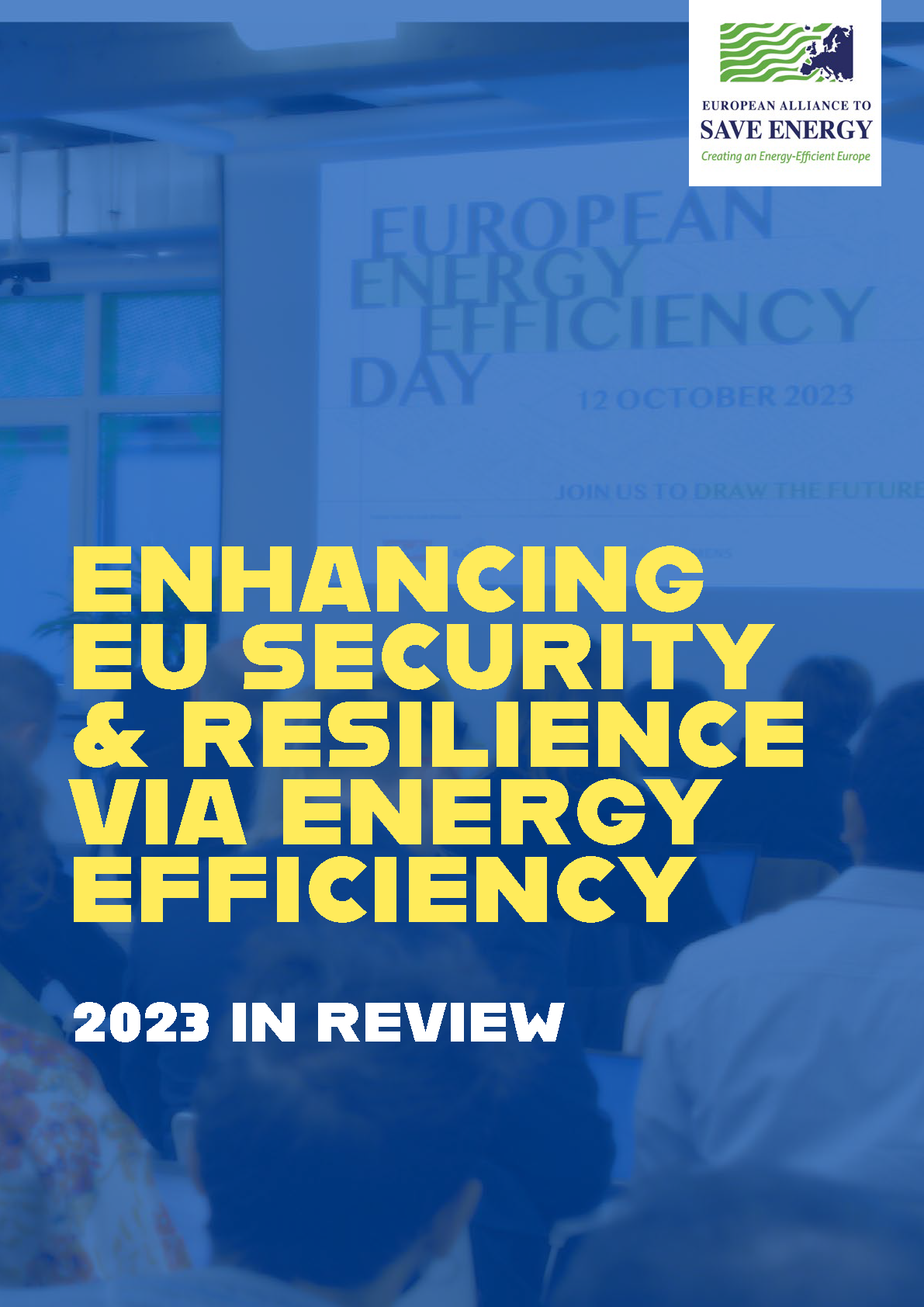
Enhancing EU security & resilience via energy efficiency: 2023 in review

The EU-ASE 2023 Activity Report delves into the advocacy and outreach efforts of the European Alliance to Save Energy, aimed at enhancing energy efficiency in the EU’s energy policies and integrating the water-energy nexus into mainstream considerations.

2023 can be viewed as a continuation of the previous one, marked by escalating geopolitical issues and an energy crisis. Throughout the year, EU-ASE actively implemented its workplan by significantly contributing to energy efficiency debates and participating in ongoing negotiations on legislative dossiers.

We also organized the second edition of the European Energy Efficiency Day, bringing together high-profile speakers who contributed to discussions on energy efficiency in buildings, industrial ecosystems, and the electricity market. The event also delved into the skills agenda within the sector.

We continued our work on the implementation of a work programme which was structured around the main objectives of:

  • Boosting energy efficiency through EU policy and regulatory framework
  • Unleashing the energy savings potential of water efficiency in EU legislation
  • Smart, digital, and effective communication to achieve advocacy objectives

Read the full report here.

Follow us


Privacy Policy

© All right reserved

IEA’s Energy Efficiency 2023 Report Seminar (EU-ASE & IEA event)

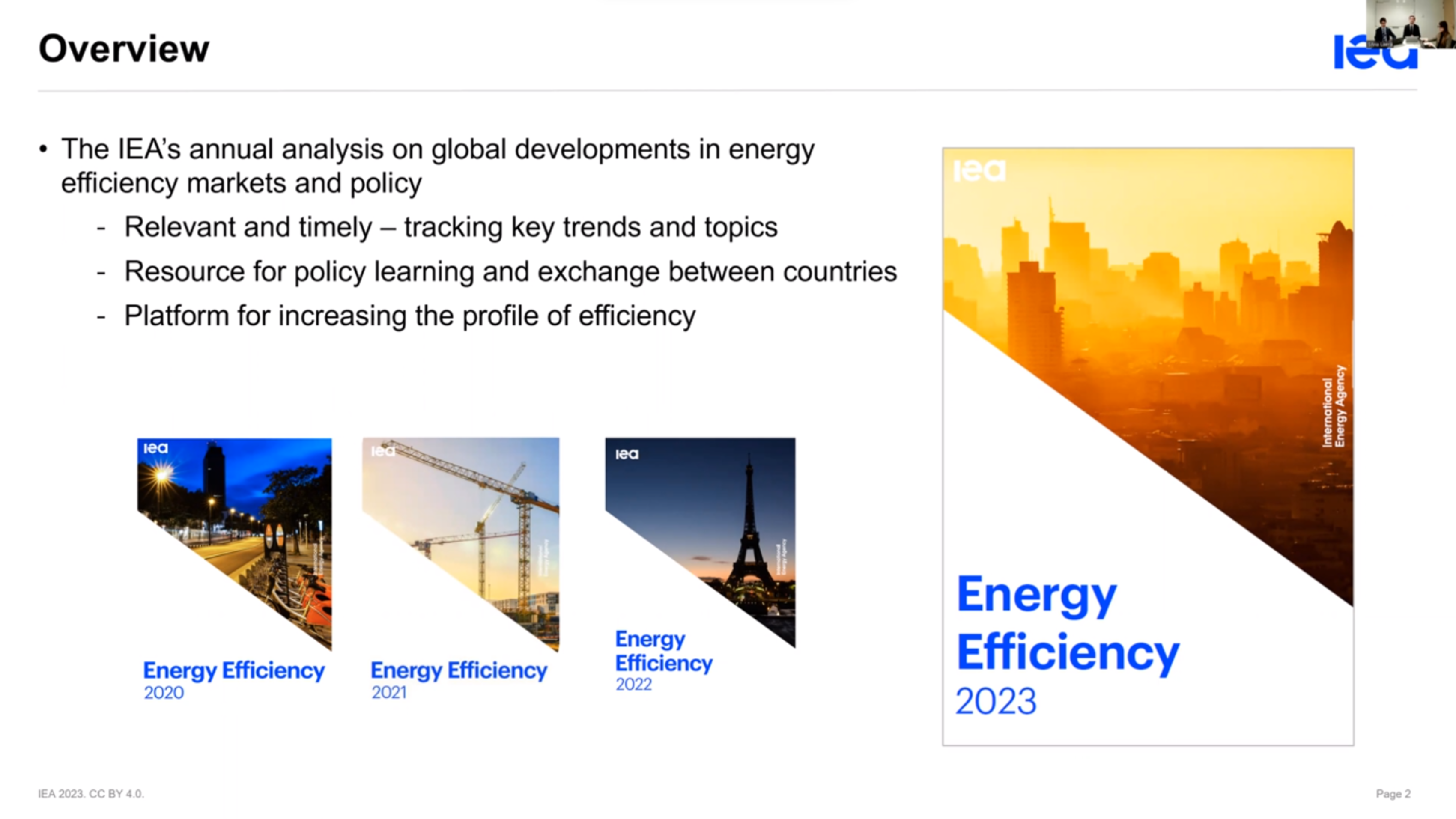
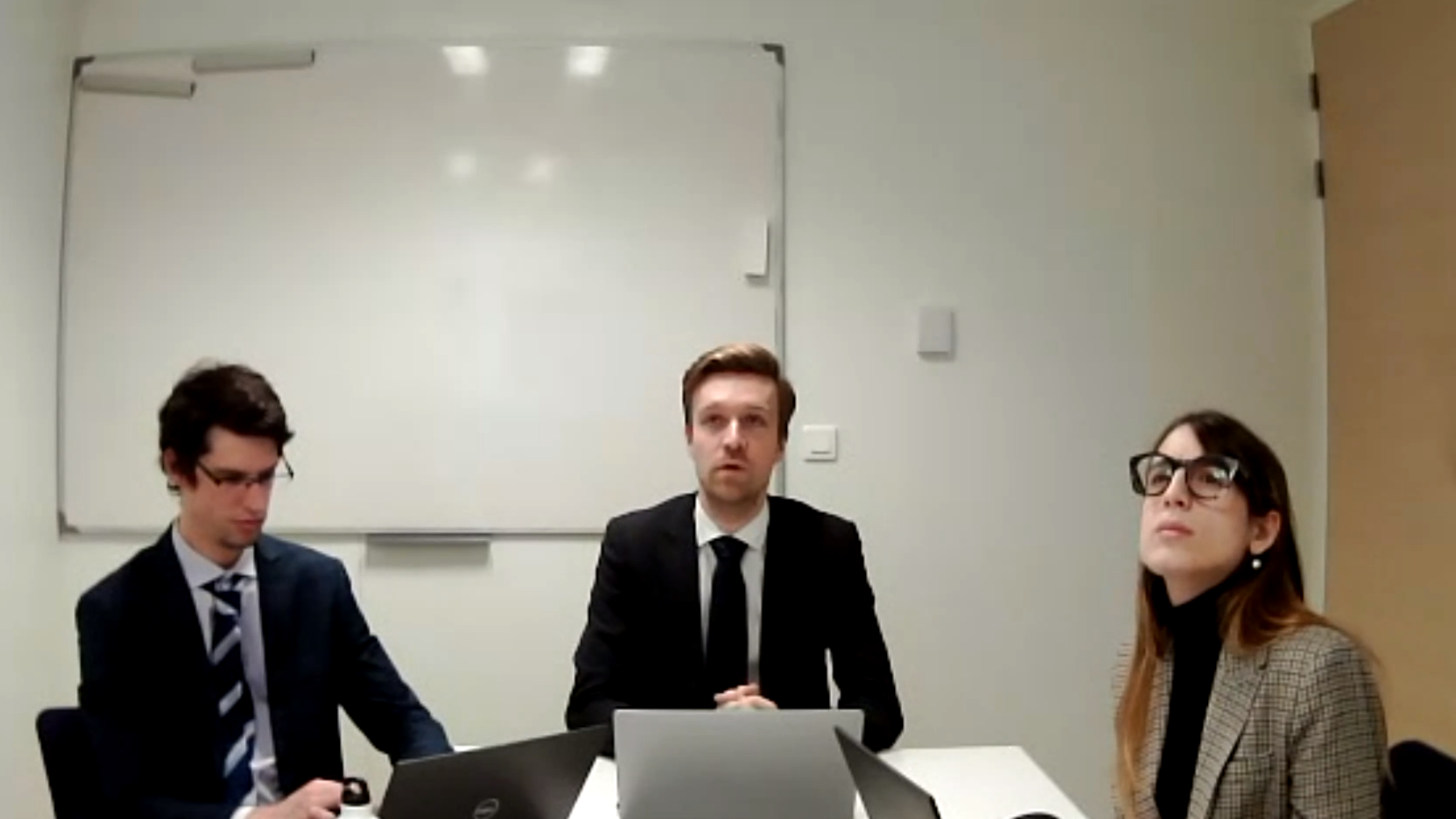
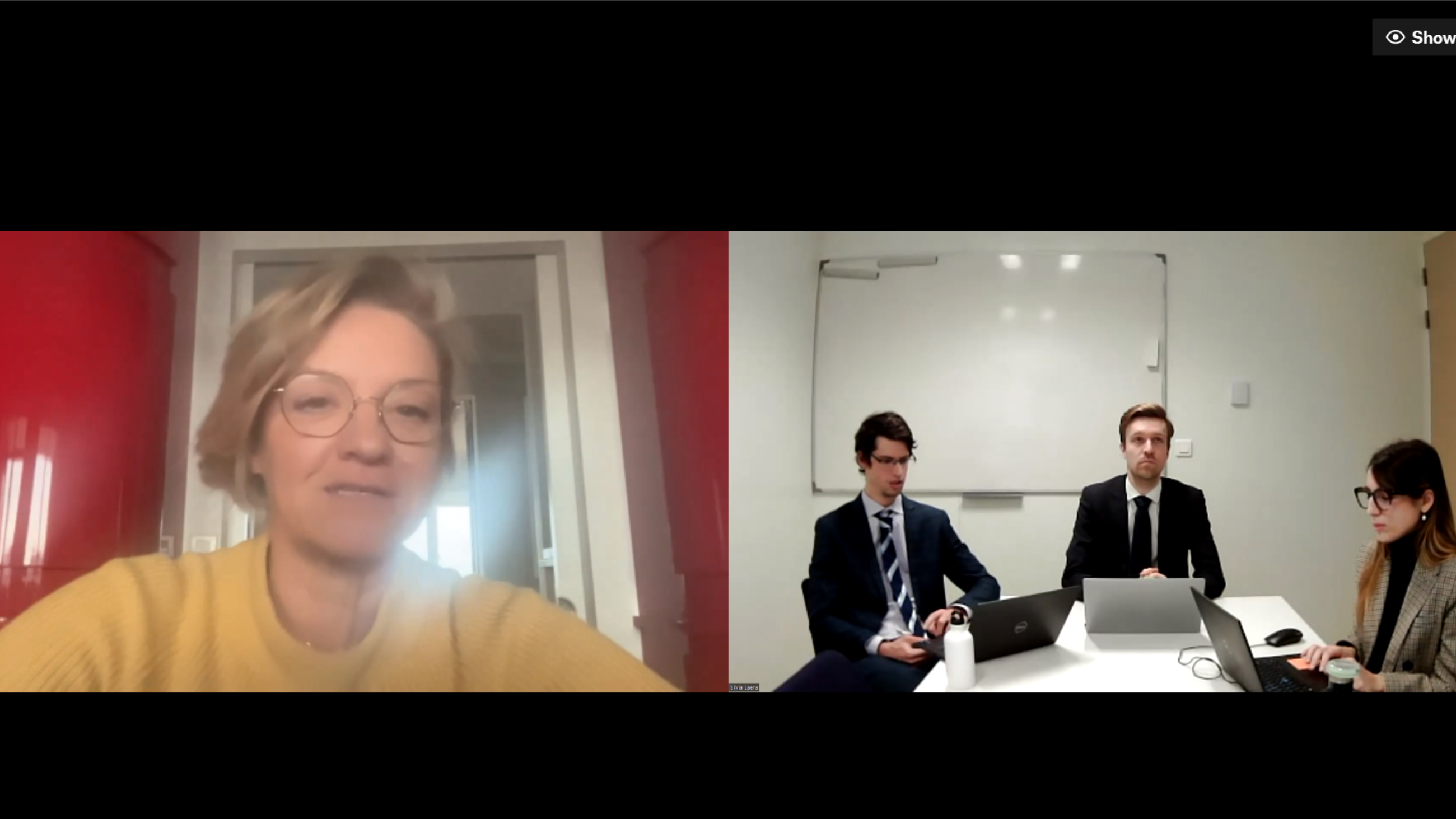
On Thursday, 14 December 2023, the European Alliance to Save Energy (EU-ASE) alongside the International Energy Agency (IEA) hosted an event presenting the IEA’s Energy Efficiency 2023 report. 

Energy Efficiency 2023 serves as the IEA’s primary annual analysis on global developments in energy efficiency markets and policy. The report explores recent trends in energy intensity, demand, and efficiency-related investment, encompassing policy and technology aspects.

This is the tenth edition, and it includes new highlights, mostly focusing on key issues facing policymakers. Notably, the report outlines the proposed global target to double energy efficiency progress and articulates the potential gains from achieving this target.

Amidst the ongoing energy and climate crises, 2023’s global energy efficiency progress, as measured by primary energy intensity, is expected to be slightly below the long-term trend, signaling a slowdown from 2022. Despite this, the report highlights a deep transformation in energy efficiency and clean energy. Governments globally are introducing or reinforcing policies and energy-saving programs, leading to the faster deployment of efficient technologies. These efforts contribute to the expected peaking of fossil fuel demand in the coming years.

Read the full report here. 

Watch the full seminar right here or on the EU-ASE YouTube channel.


Follow us


Privacy Policy

© All right reserved