System efficiency in 2024: Three priorities for the next EU Commission

System efficiency is a key metric to evaluate how far the European Green Deal has taken us in the energy transition.  

Why system efficiency and what is it?  System efficiency is the measure of how well a system utilizes resources to achieve its desired output with minimal waste. In this context, it refers to the systematic application of the Energy Efficiency First (EE1) principle. This means that examining system efficiency provides a way to assess the broad socio-economic advantages linked to measures improving energy efficiency. 

To maximize efficiency, we need to accelerate the decarbonisation of buildings, ensure that future energy networks are designed to electrify most of the economy, while strategically focusing on using hydrogen in hard-to-electrify applications as gas networks are decommissioned due to declining fossil gas demand. 

The recent agreement on the Energy Performance of Buildings Directive (EPBD) only requires minimal obligations for Member States, leaves flexibility for fossil fuel technologies, and avoids banning certain heating technologies in buildings. 

Despite positive steps such as establishing the European Network of Network Operators of Hydrogen (ENNOH) to counter fossil gas industry influence, challenges remain in the gas package directive, which applies hydrogen unbundling rules only to Transmission System Operators (TSOs), leaving Distribution System Operators (DSOs) exempt and potentially leading to costly hydrogen investments at the local level. 

Considering the above, the next EU Commission can improve overall energy system efficiency by following three priorities: 

  1. Making energy efficiency an energy security priority through a new task force that focuses on leveraging energy efficiency progress and demand flexibility as an active lever towards European energy security. 
  2. Making local delivery institutions fit for delivering energy efficiency, providing increased support for municipalities and regional governments and setting targets for system transformation. 
  3. Enhancing system efficiency in gas networks by establishing a framework for decommissioning obsolete fossil infrastructure and strategically designing hydrogen networks for areas where no other decarbonisation option exists. 

Raphael Hanoteaux
Senior Policy Advisor
E3G

Follow us


Privacy Policy

© All right reserved

EU-ASE President Monica Frassoni’s message ahead of the upcoming negotiations at #COP28

EU-ASE President Monica Frassoni speaks ahead of the upcoming negotiations at COP 28, beginning today, 30 November, running until 12 December 2023  in United Arab Emirates.

COP28 UAE will be a milestone moment when the world will take stock of its progress on the Paris Agreement. The first Global Stocktake (GST) will provide a comprehensive assessment of progress since adopting the Paris Agreement. This will help align the efforts on climate action, including measures that need to be put in place to bridge the gaps in progress.

EU-ASE President Monica Frassoni speaks ahead of these upcoming negotiations, emphasizing highlights the need to double  energy efficiency and phase out fossil fuels:

“The EU has been in the forefront of the climate race and now we see that a mixture of political fatigue and a regaining of space of eco-skeptical narrative risks hampering the major business and social opportunity that an effective and just transition can bring.”

EU-ASE and its members will continue to give a positive contribution to the completion and full implementation of the Green Deal and notably of the Energy Efficiency Directive and the Energy Performance of Buildings Directive.

COP28, opening today in Dubai, is the right place to take actions towards a sustainable future!

Watch the full video here

Follow us


Privacy Policy

© All right reserved

Repetition Is Key: The Latin Maxim “Repetita Iuvant” Holds True.

Since the European Commission unveiled the Clean Energy for All Europeans package on 30 November 2016, including the Energy Performance of Buildings Directive (EPBD) revision, the alliance has consistently played a central role in shaping its contents. Through collective efforts we have actively contributed position papers, organized events, and proposed amendments — all available on our website.

Why do we need an ambitious final revision of the EPBD? Below are my three compelling reasons:

Energy and Emissions Impact: Buildings account for approximately 40% of energy consumption and 36% of CO2 emissions in the EU. They stand as the largest energy consumers in Europe. To maintain our competitive edge while the clean energy transition reshapes global energy markets, we must act on buildings.

Greenhouse Gas Reduction: The EPBD represents the primary EU policy avenue for tackling both operational and embedded greenhouse gas emissions in the building sector. This approach will effectively decarbonize the EU building stock, boost the EU building sector’s competitiveness, create new employment opportunities, and support the research, development, and innovation of relevant technologies.

Sustainability Strategies: The final EPBD revision should incorporate sustainable strategies such as circularity, sufficiency, and the utilization of low-carbon and natural-based materials. These strategies are essential for reducing Whole Life Carbon emissions and ensuring the decarbonization of buildings. Phasing out fossil fuels from new heating and cooling systems across the EU must happen by 2030.

Stay tuned and join us to making a significant impact by reaching a deal on the Directive by the end of 2023. 

Sergio Andreis
Director
Kyoto Club

Follow us


Privacy Policy

© All right reserved

EU-ASE & Regione Lombardia event: Energy efficiency & housing renovation (Efficienza energetica e riqualificazione abitativa)

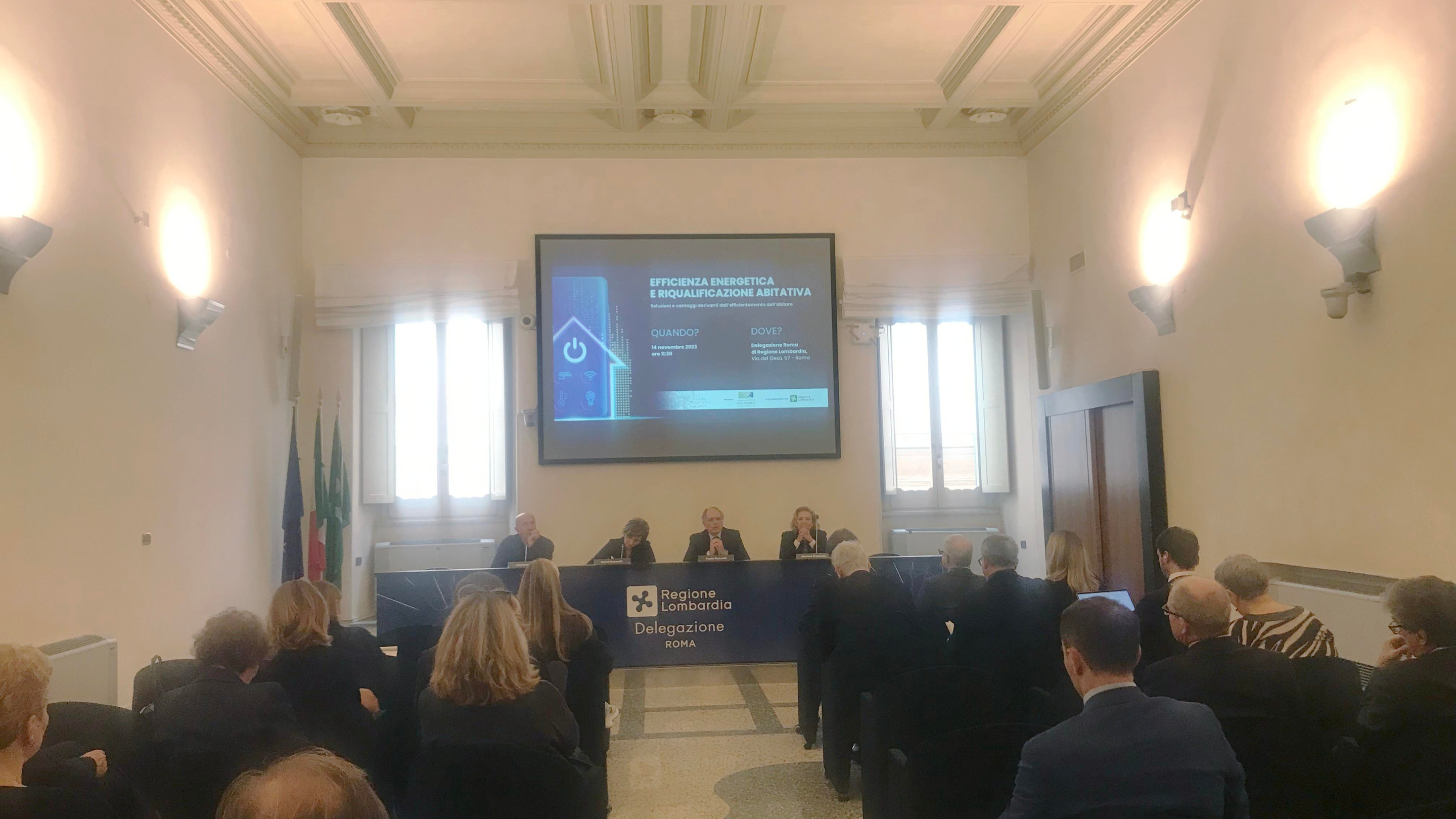
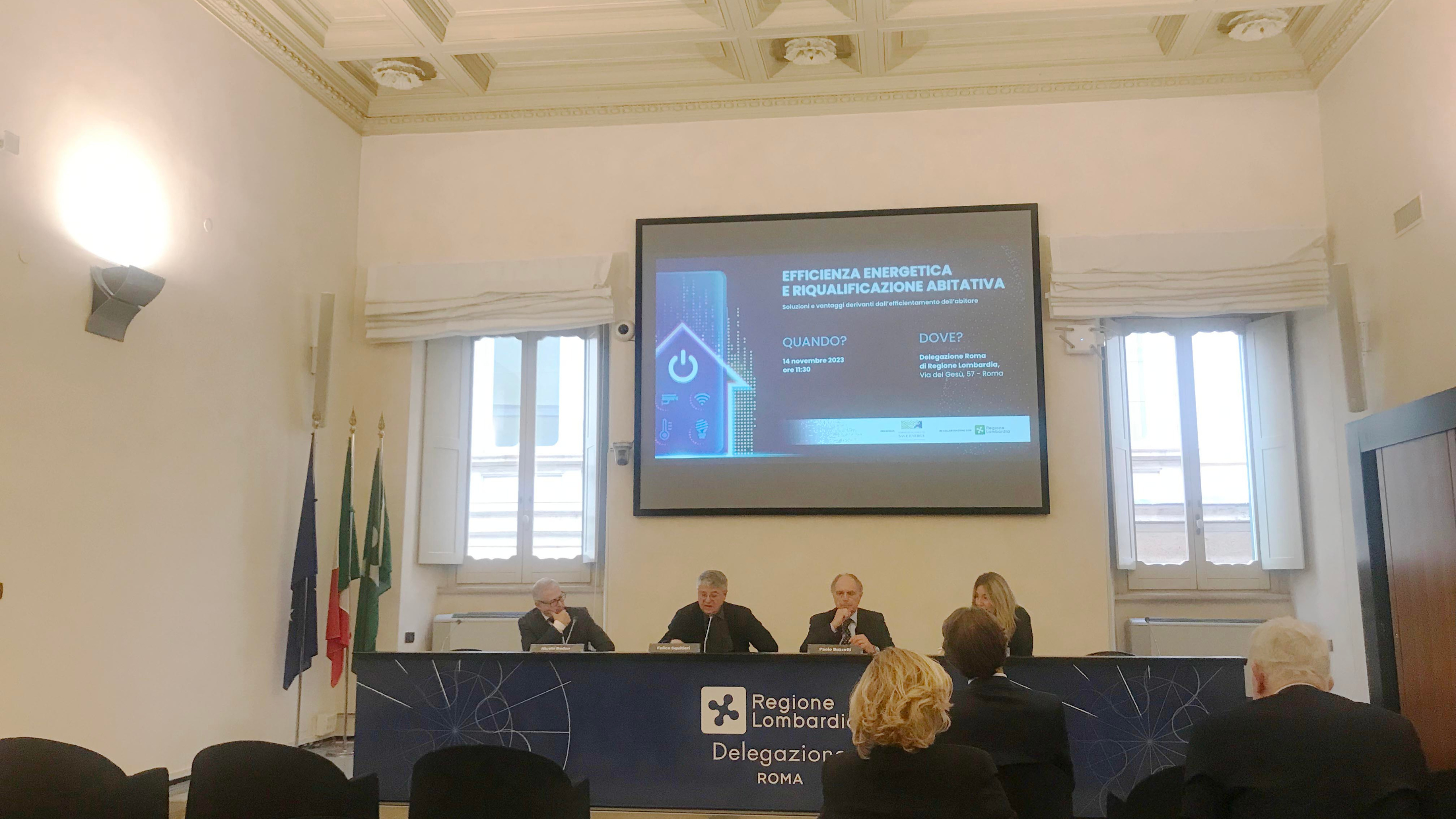
On 14 November 2023, the European Alliance to Save Energy (EU-ASE) in collaboration with Regione Lombardia organised an event in Rome titled: Energy efficiency and housing renovation (Efficienza energetica e riqualificazione abitativa).

Taking place in the Lombardy Region Delegation office in Rome, the event served as a pivotal platform for industry leaders, experts, and stakeholders to discuss topics surrounding energy efficiency and housing renovation.

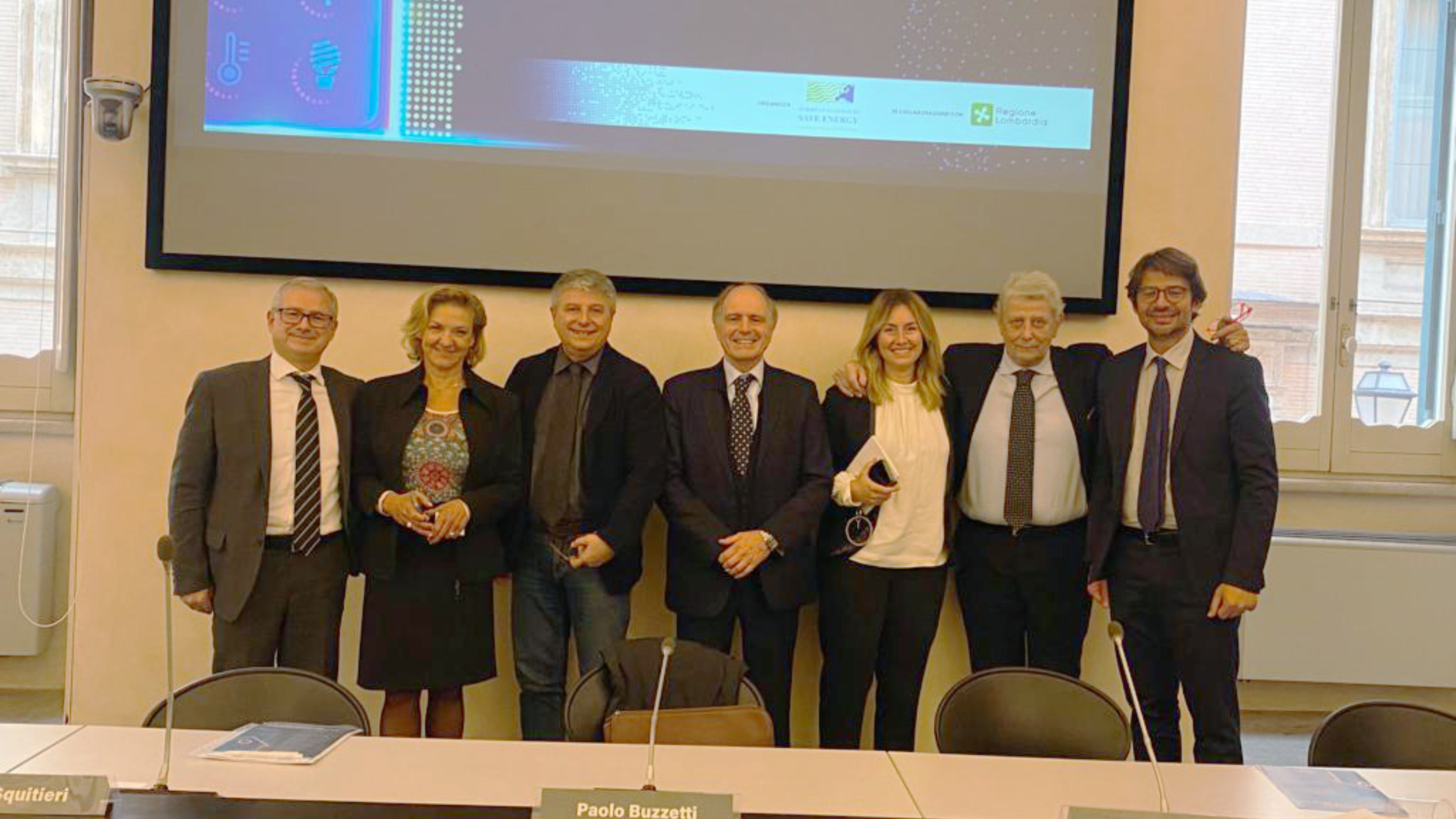
Speakers of the event included:

  • Monica Frassoni, President of the European Alliance to Save Energy (EU-ASE)
  • Paolo Buzzetti, President of ASPESI – Unione Immobiliare Roma
  • Giorgio Maione, Councilor for Environment and Climate at Lombardy Region
  • Erica Mazzetti, Member of the Environment Committee of the Chamber of Deputies and member of the Parliamentary Intergroup on Environmental Sustainability
  • Patrizio Losi, President of Federcasa
  • Felice Squitieri, Responsible for the Energy Department of Lega in the Region Lazio
  • Gaia Balzarini, Global Industry Affair Director at Danfoss
  • Nicola Badan, Country Standardization and Regulation at Schneider Electric

 View the full agenda here


Follow us


Privacy Policy

© All right reserved

The green home is worthwhile: 94 billion in savings for Italians from efficiency improvements

A new study shows the benefits within the next twenty years of renovating the most energy-intensive buildings. On 12 October, the Italian government will participate in the final phase of negotiations on the European EPDB Directive for the energy performance of buildings.

According to research just published by the international consulting firm Guidehouse, if Italy invested in targeted redevelopment of the most energy-intensive buildings, citizens would save up to €94 billion on their bills. Even with the investment required for energy upgrades, the benefit in terms of energy savings would be 68% higher after only 20 years.

According to Monica Frassoni, President of the European Alliance for Energy Saving (EUASE), the will of Italians is clear: “Citizens want structural and long-term actions that will allow us to lower the cost of their bills.”

Read the full article in Sapereambiente


Follow us


Privacy Policy

© All right reserved