To build a sustainable future we need to start from buildings

In Brussels we tend to say that every year is particularly poignant and key. This year it’s true. The European Commission’s milestone Fit For 55 package really is a unique opportunity to thoroughly revisit the European climate and energy policy framework, which in turn will lay the foundation for success – or failure – in meeting the 2030 and 2050 targets at the heart of the EU Green Deal.

A substantial part of the EU’s potential – or obstacle – in meeting its decarbonisation targets – sits in the building stock. Buildings account for 40% of Europe’s energy consumption and 30% of its CO2 emissions. That is why we need a strong recast of the Energy Performance of Buildings Directive (EPBD). The building stock in the EU must be transformed to be highly energy efficient and decarbonised before 2050 and unlock substantial other benefits, such as improved health and indoor environmental quality.

A strengthened EPBD must focus more on both new and existing buildings, and of course depart from energy efficiency.

We are far from being on track. To date, the EPBD has mostly focused on the operational energy performance of new buildings whereas progress on existing buildings, i.e., the vast majority of the building stock, has been limited. It follows that a strengthened EPBD must focus more on both new and existing buildings, and of course depart from energy efficiency. An integrated and coherent set of measures at building level will significantly reduce buildings’ overall energy needs, so remaining energy needs can be more readily and cost-effectively supplied via renewables. Ultimately, we need to make sure the building is plugged into the overall energy system, empowering owners and occupiers to better manage their energy consumption and contribute more meaningfully to wider issues such as peak-lopping and demand response.

Stronger EU rules on buildings are key to allow Europe to meet the Paris Agreement, but will also help grow our economies, create jobs, and improve living spaces for citizens. In a word: to build a sustainable future.

Julie Kjestrup
Head of EU Affairs
Danfoss
Follow us


Privacy Policy

© All right reserved

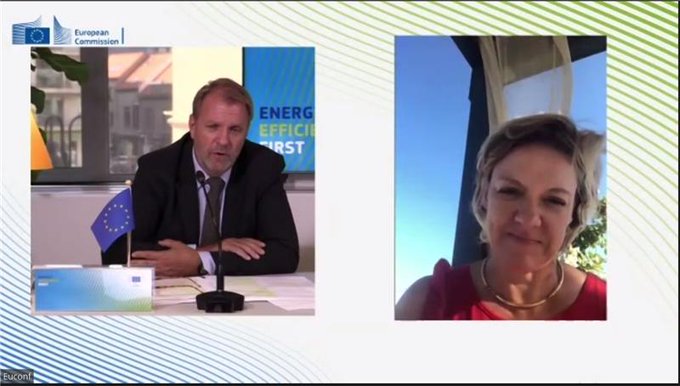
EU-ASE at high-level launch of Energy Efficiency First Guidelines

The president of the European Alliance to Save Energy, Monica Frassoni spoke at the high-level event “Recommendation and Guidelines on Energy Efficiency First: From principles to practice” organised by the European Commission’s DG ENER and CINEA on 28 September for the launch of its Guidelines on the Energy Efficiency first principle. 

In her intervention, Monica Frassoni called on the Commission to lead by example and apply the principle to their policy and regulatory work, starting from the forthcoming Energy Performance of Buildings Directive proposal. She also stressed the need for stronger integration of the water-energy nexus in the EU legislative framework. 

The event gathered stakeholders from both the energy and energy end-use sectors and from sustainable finance. The guidelines aim to support the implementation of the Energy Efficiency First (EE1st) principle in decision-making in the energy sector and beyond.  

Follow us


Privacy Policy

© All right reserved

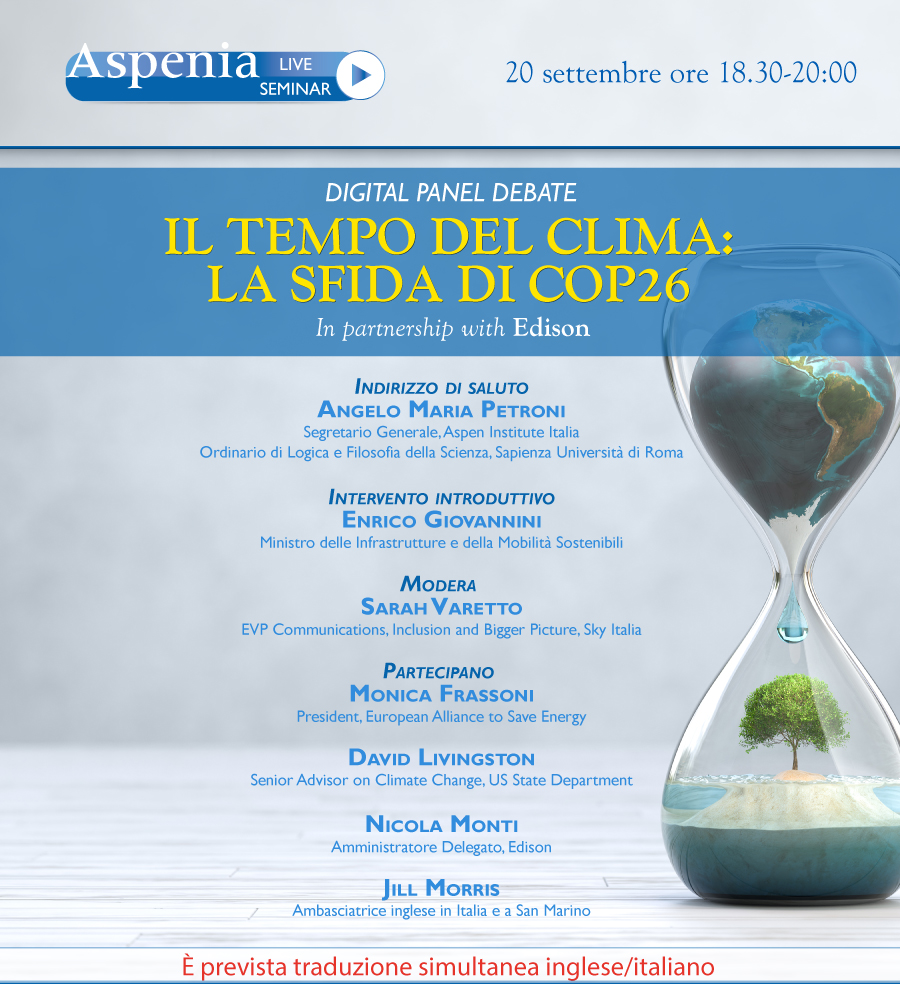
EU-ASE at Il tempo del clima. La sfida di COP26

On 20 September, the president of the European Alliance to Save Energy, Monica Frassoni, participated in the high-level webinar “Il tempo del clima. La sfida di COP26”, organised by Aspen Institute Italia and Edison.

Speakers included: Enrico Giovannini, Italian Minister of Sustainable Infrastructure and Mobility; Nicola Monti, Ceo Edison; Jill Morris, British Ambassador to Italy and San Marino; and David Livingston, Senior Advisor on Climate, US Department of State.


The recording of the panel can be found 
here

Follow us


Privacy Policy

© All right reserved

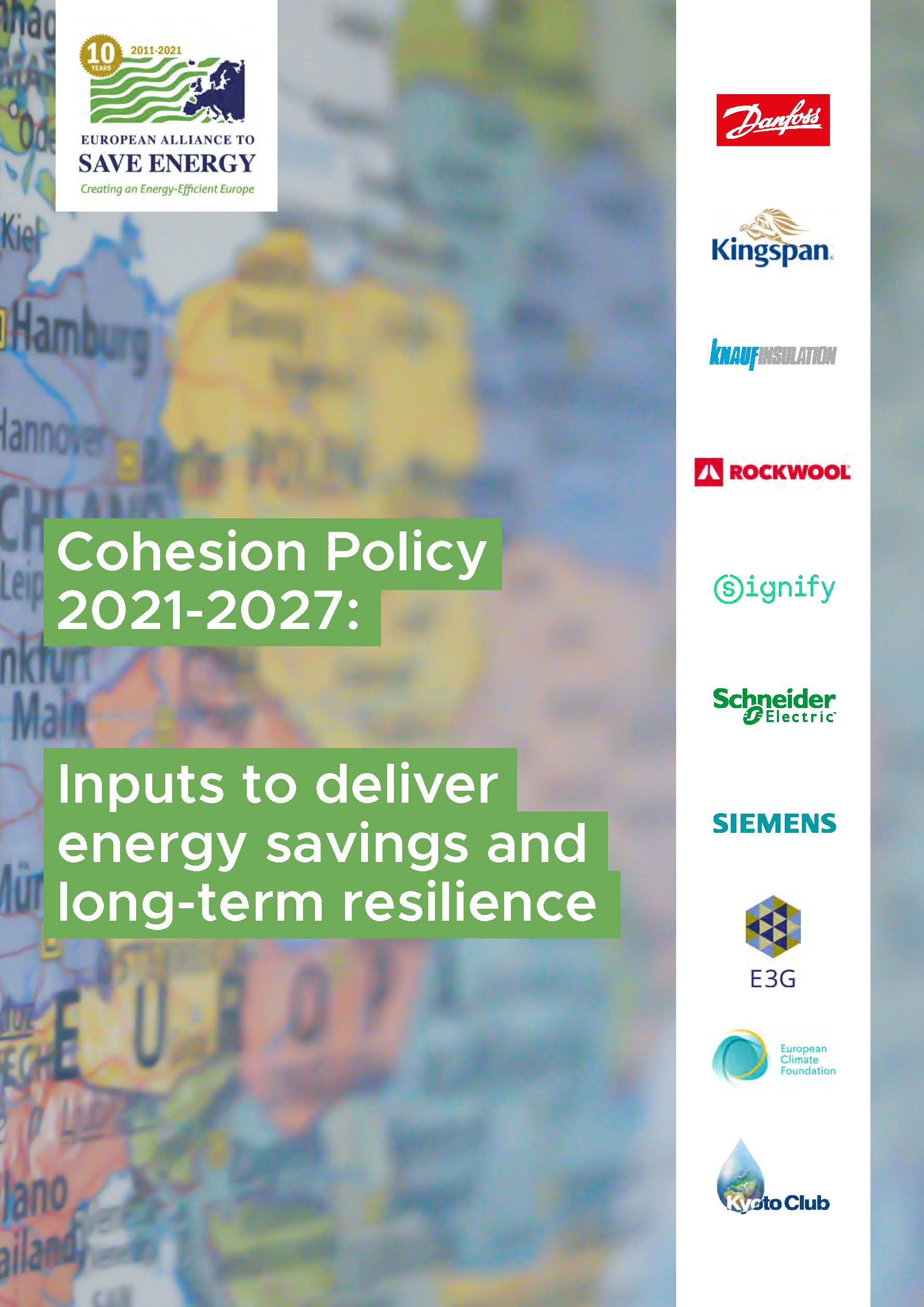
Cohesion Policy: Inputs to deliver energy savings and long-term resilience

Energy efficiency gains are essential to reach the European Union increased emission reduction target by 2030 and climate neutrality by 2050. The EU cohesion policy programming for 2021-2027 can greatly contribute to promoting the uptake of energy efficient measures, making sure that no region or city is left behind in the transition to a clean and sustainable economy.

The current decade will be crucial for the European Union and its Member States to deliver on the EU higher energy and climate targets by 2030 and reach climate neutrality by 2050.

The EU Cohesion Policy programming for the period 2021-2027 can greatly contribute to these efforts and make sure that no European region and city is left behind in the transition to a clean and sustainable economy.

From an energy and climate point of view, it is key that Cohesion funding resources are allocated wisely and timely with the goal to boost sustainable economic growth, while delivering energy savings across sectors and the full decarbonisation of our society.
 

Read the full paper


Follow us


Privacy Policy

© All right reserved

EU-ASE at World Climate Forum Europe 2021

On 29 June 2021, EU-ASE president Monica Frassoni took part in the panel discussion Envisioning the Sustainable Built Environment of Tomorrow – Creating Momentum for the EU Renovation Wave, at the World Climate Forum Europe 2021.

The event, hosted by the World Climate Foundation, gathered senior policymakers and high-level public and private actors from around the world to spur action-oriented discussions on advancing net-zero targets across all sectors as well as accelerate the green recovery and adaptation ahead of the COP26.

Read excerpts from Monica Frassoni’s intervention


Follow us


Privacy Policy

© All right reserved