Decarbonising the building and heating sectors: considerations on carbon pricing

Energy efficiency should be the starting point for all decarbonisation efforts. Carbon pricing can play a role in this, as it can provide incentives for the fuel switch and to some extent for energy efficiency investments. Yet, it should not replace impactful regulatory measures in the building sector driving the energy savings necessary to meet climate neutrality.


We believe carbon pricing in the building sector can only work effectively and efficiently if:

  • Its modalities are thoroughly assessed to gauge its potential benefits for the building sector
  • It is part of a well-designed broader policy mix
  • It includes a resilient mechanism for reinvesting its revenues to prevent and reduce energy poverty


Read the full paper

More about our webinar on carbon pricing and buildings

Follow us


Privacy Policy

© All right reserved

Inputs for economic recovery, resilience and long-term sustainability

This short paper outlines the inputs of the European Alliance to Save Energy to achieve a green economic recovery, resilience and long-term sustainability in the aftermath of the Covid-19 pandemic. 

These include spending criteria and quota that should be applied in both the Recovery and Resilience Facility Regulation (RRF), currently being negotiated by the European Parliament and Council, as in the National Recovery and Resilience Plans (NRRPs).

The paper calls for prioritising investments in areas such as energy efficiency rather than lock-in resources in fossil fuel infrastructures that undermine the achievement of the Union’s climate and environmental objectives.

A key area of intervention to boost energy efficiency and cut CO2 emissions is represented by buildings. In the NRRPs, Member States should priorities cost-effective renovation programmes that foster the quality, rate, and depth of comprehensive renovations.

Technical assistance is also essential to remove the hurdles for local authorities, SMEs and corporate investments to implement energy efficiency projects and renovate the building stock.


Read the full paper

Follow us


Privacy Policy

© All right reserved

Decarbonising Europe’s buildings with available solutions, no hydrogen

Meeting the EU’s goal of achieving a climate neutral economy by 2050 will require a steep reduction in gas demand, and such reduction will need to start before 2030. This means the EU should focus on immediately available and cost-effective solutions, starting from energy efficiency and renewables, especially for buildings.

While green hydrogen can play a role in decarbonising the EU economy, its pathway comes with many uncertainties linked to the costs of its production, its inefficiency and effective application and should therefore be limited to hard-to-abate sectors only.

As for the heat policy for decarbonisation of buildings, the paper calls for the acceleration of energy efficiency options that can immediately deliver real carbon savings, while accommodating a growing share of renewable energy.


Read the full paper

Follow us


Privacy Policy

© All right reserved

EU-ASE supports call from over 150 CEOs urging EU to raise 2030 emissions target

In a critical year for climate action, five years on from the landmark Paris Agreement and with the clock ticking for countries to ratchet up ambition before the end of the 2020, CEOs from over 150 European businesses, investors and business networks are calling on EU policymakers to support an EU 2030 greenhouse gas (GHG) emissions reduction target of at least 55%, necessary to raise the pace and focus of transition efforts for the EU to become a climate-neutral continent by 2050.

The European Alliance to Save Energy (EU-ASE) and its President Monica Frassoni are proud to support this call and to join such group of progressive businesses at a crucial time for Europe and the World. Among EU-ASE membership, the signatories include the CEOs of the following companies: Signify, Schneider Electric, Saint-Gobain, and Knauf Insulation.

The letter states:

“What we urgently need to see next is an ambitious implementation of the recovery package focused on achieving a green and digital transition, with the European Green Deal at its core and an elevated short-term emissions reduction target in its sights.”

“The right decisions now can help create and protect healthy, thriving and fair communities and secure a roadmap for a prosperous economy. Delivering Europe’s long-term ambition to become the first climate neutral continent by 2050 requires an extensive set of urgent measures to scale up action. From a business and investor perspective, clarity on the net zero transition pathway and timetables for each sector, as well as policy that enables substantial investments in carbon neutral solutions is essential.

“We are writing to call on you, as European leaders, to avoid the worst effects of climate change and secure a sustainable, competitive economic recovery by:

  • endorsing the ambition set out in the European Green Deal
  • submitting resilient recovery plans which enable the green investments needed to deliver climate neutrality
  • agreeing a clearly defined target to reduce domestic greenhouse gas emissions by at least 55% by 2030 and associated objectives

“We understand the risks posed by climate change and biodiversity loss to our businesses and are already working to unlock change in key economic sectors. Investors, banks and insurers are working to transition portfolios to net zero emissions. More than 900 companies are taking science-based climate action and more than 400 have approved science-based targets. We are investing heavily in clean energy, energy efficiency and electrification, lowering emissions across value chains and the lifecycle of our products, and developing better practices in the bioeconomy.”

As a strong signal of business and investor leadership for a healthy, resilient, zero carbon recovery, the letter is being profiled by the UN Climate Champions Race To Zero campaign at the Opening Day of Climate Week NYC. The letter is being presented to Executive Vice President of the European Commission Frans Timmermans.

The signatories, members of the Corporate Leaders Groups, the We Mean Business coalition, as well as IIGCC and Business Ambition for 1.5C, and many business networks from across Europe, acknowledge the urgency of the climate crisis, calling on the EU to lead the way towards decarbonisation of the global economy by 2050 at the latest.

Download the letter here

Follow us


Privacy Policy

© All right reserved

German Council presidency should straighten out its energy priorities and include building renovations

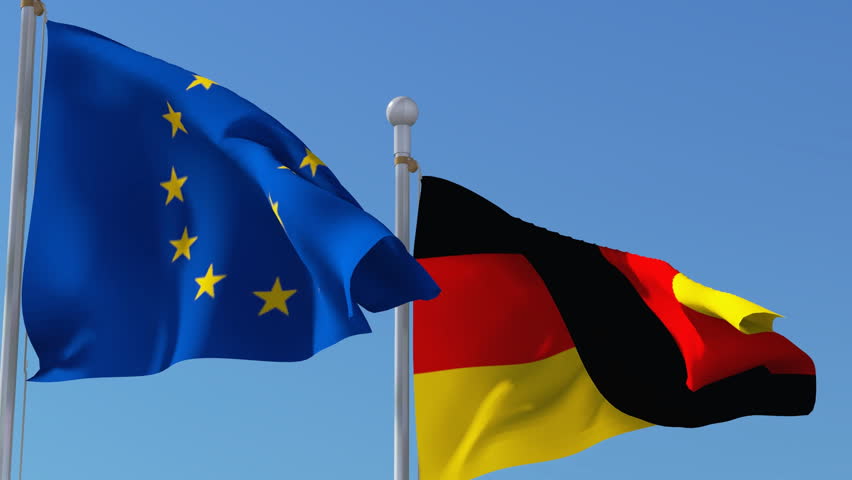
Today the German Government unveiled its EU Council Presidency priorities which lack a clear reference to the building renovation. As businesses and investors having energy efficiency and energy demand reduction at the heart of our activities, we believe that the German government lost a great opportunity to prioritise a sector which, more than any other, can deliver economic growth, local jobs creation and GHG emission reduction.

“We welcome the German government pledge to learn from the current crisis to be better prepared for the future and the focus on climate change and digitisation. At the same time, we strongly encourage the inclusion of the construction sector and in particular the renovation of the European building stock among the Council presidency priorities” – said Monica Frassoni, President of the European Alliance to Save Energy (EU-ASE).

“For every million invested in the renovation of our homes we can create an average of 18 jobs. All the economic stimulus measures across the world address buildings. Finally the European Union is working on a flagship Renovation Wave initiative to trigger investments and accelerate the transformation of European society and economy towards climate neutrality. Therefore, it’s difficult to understand the decision to exclude buildings from the presidency’s priorities.”

“We have a lot of work to do to recover from the Covid-19 crisis and buildings must be at the centre of any rational energy, industrial and environmental strategy. With this in mind, we wish the German Government a successful presidency and look forward to constructive cooperation” – concluded Monica Frassoni.


Download the press release here (PDF)

Follow us


Privacy Policy

© All right reserved