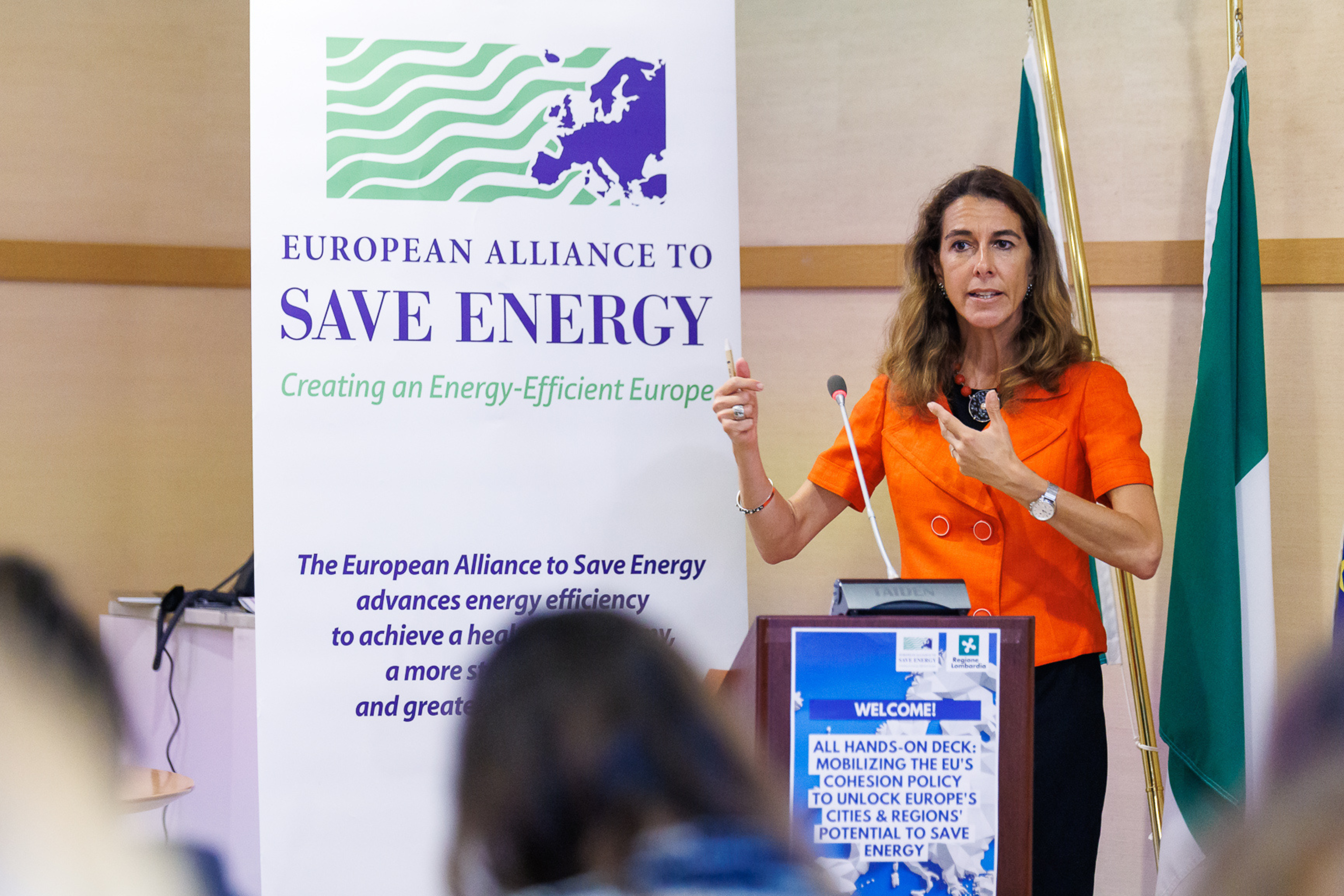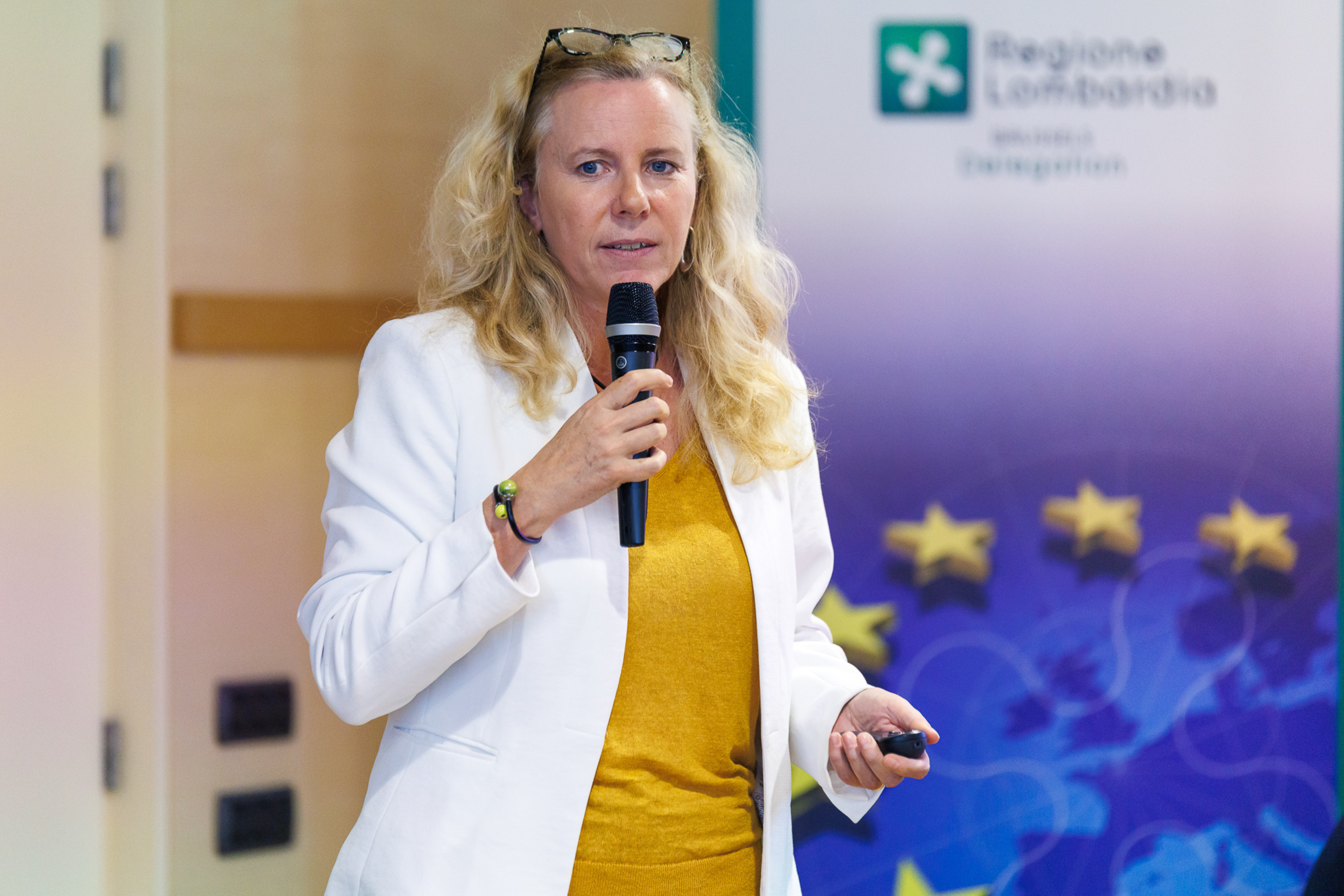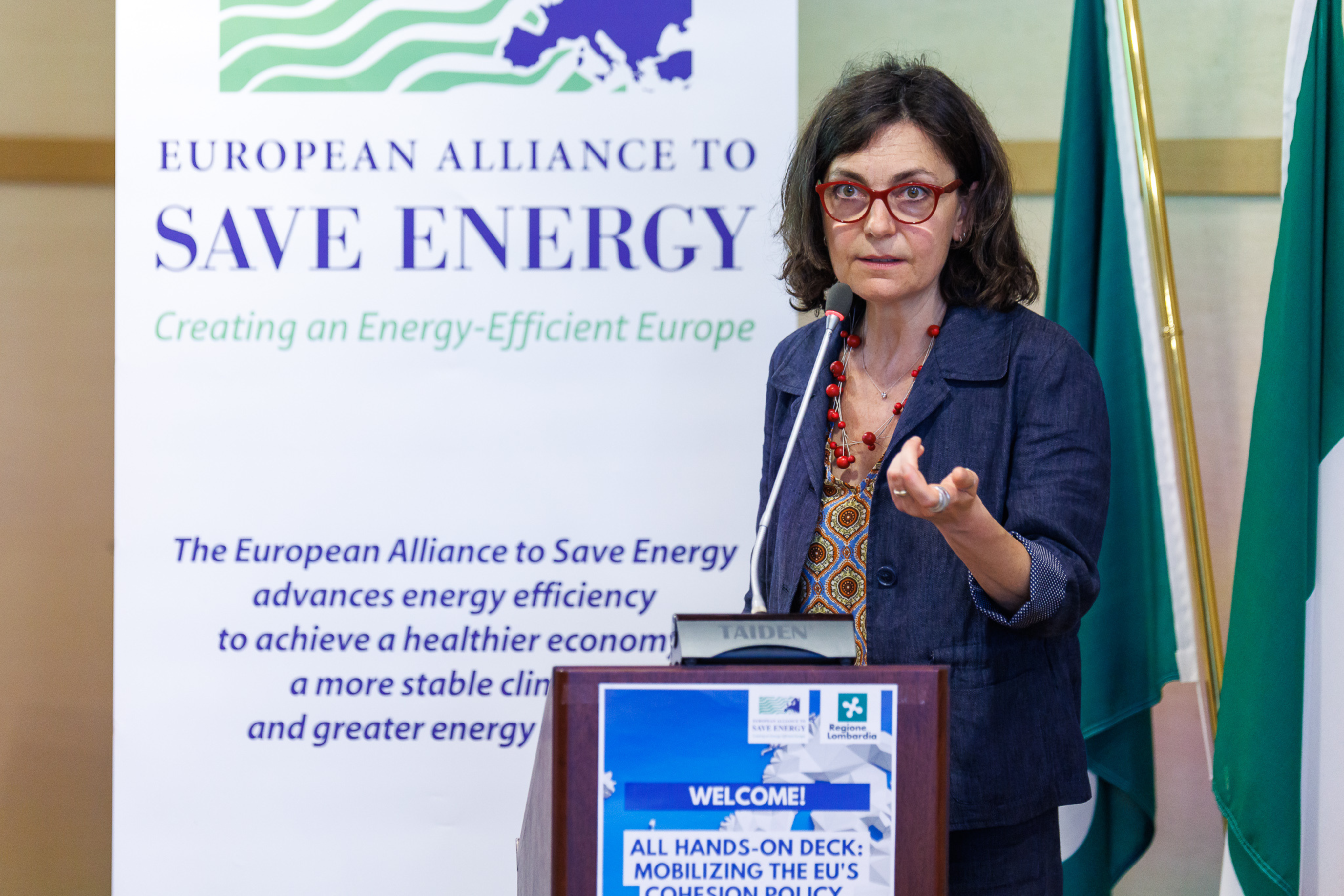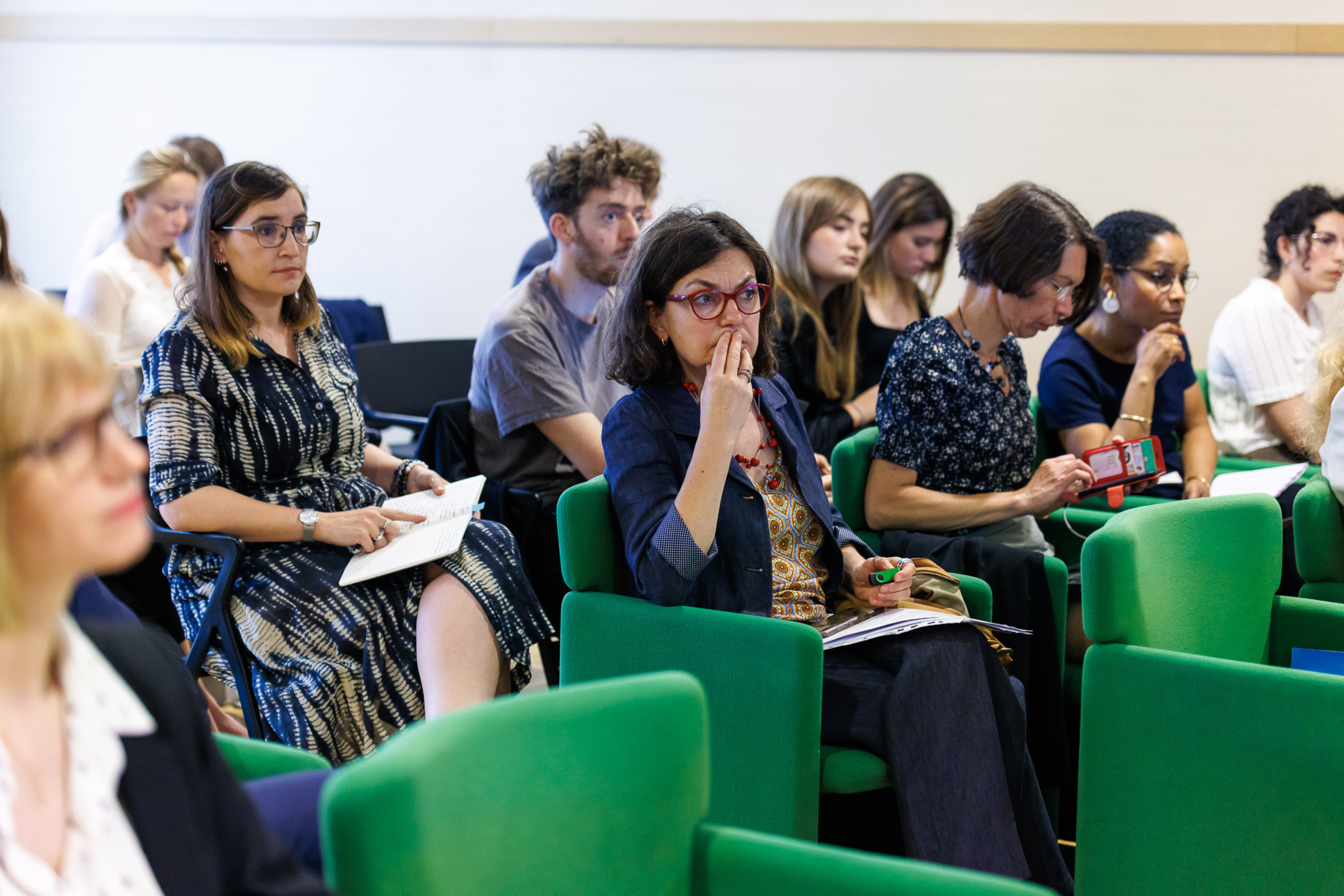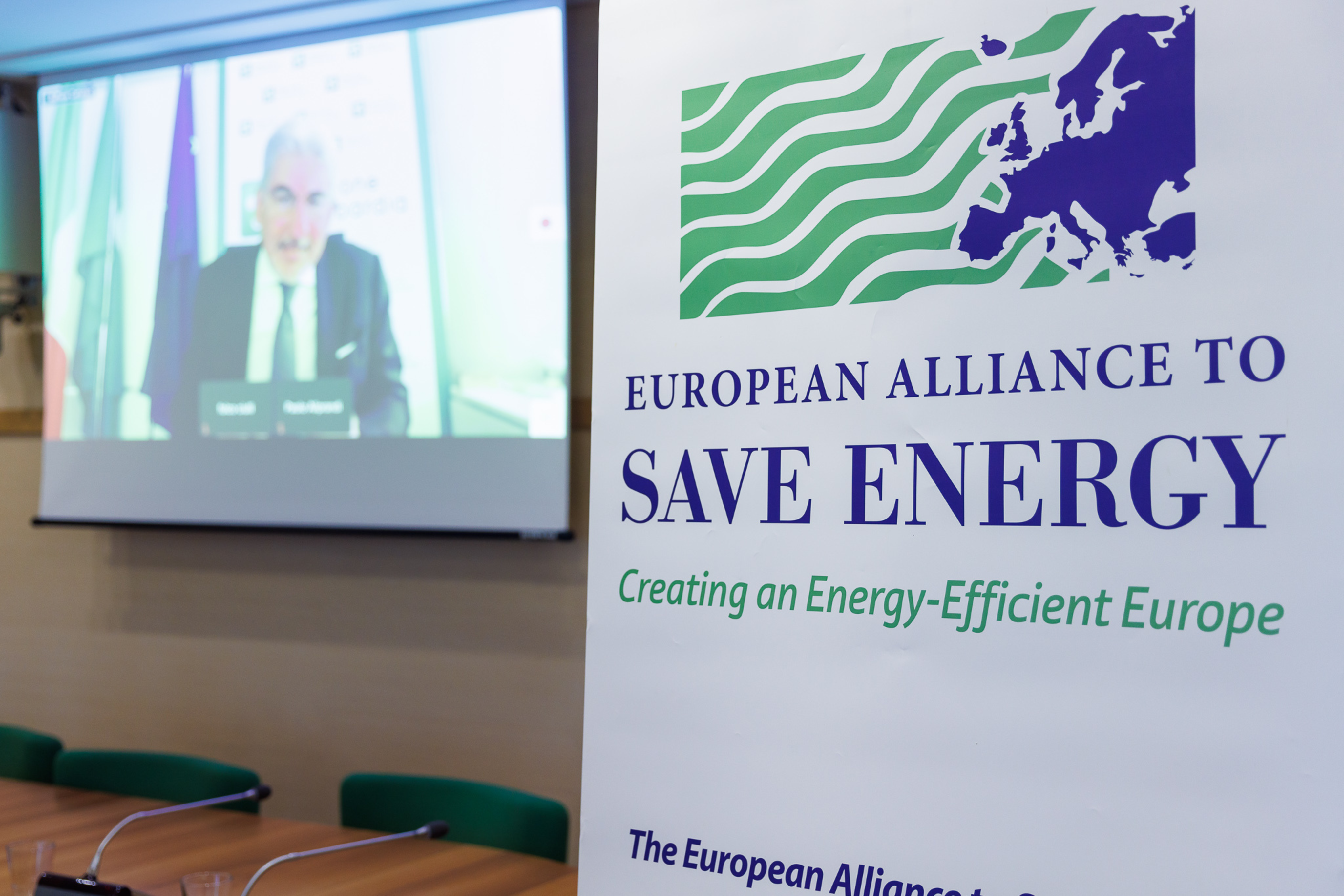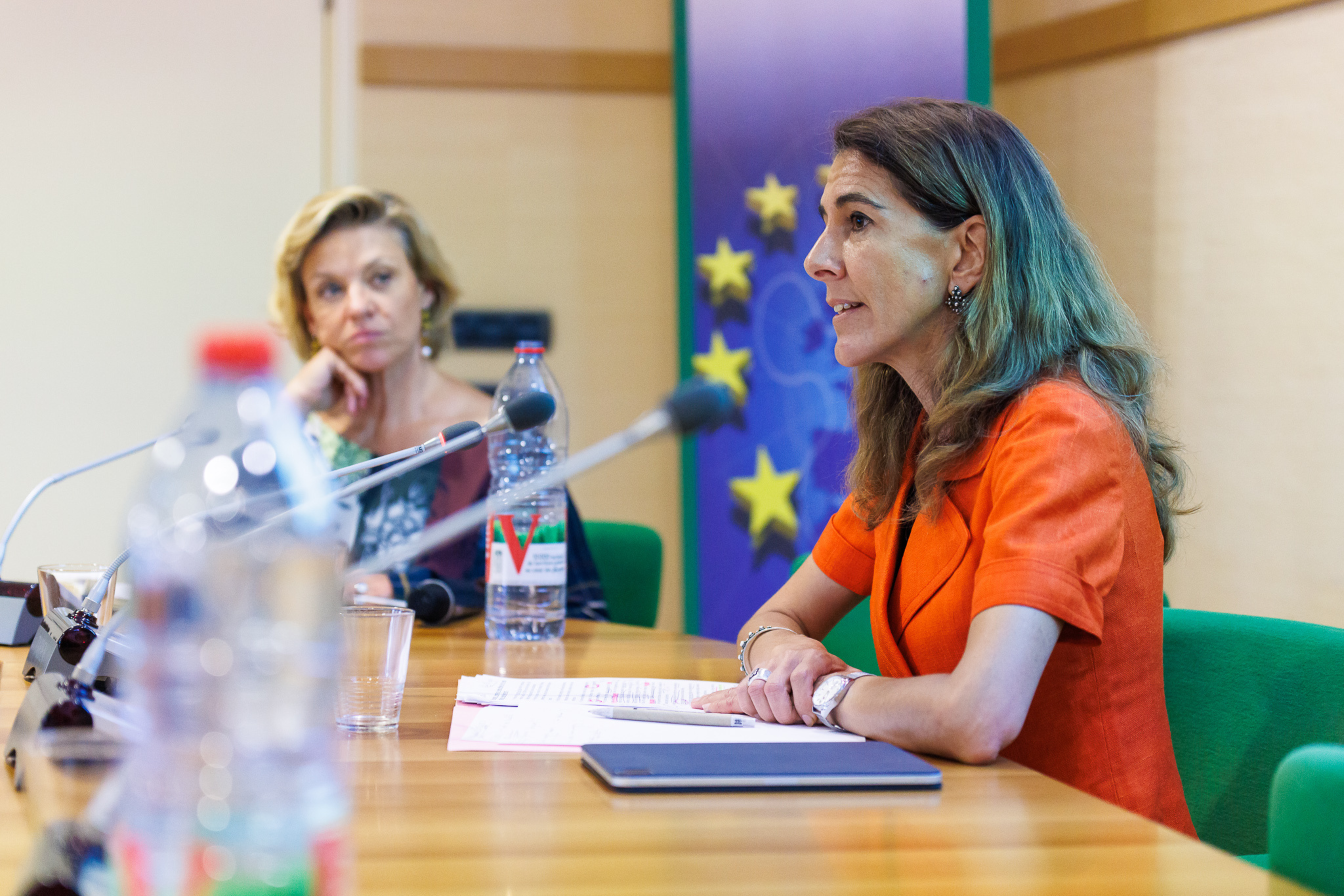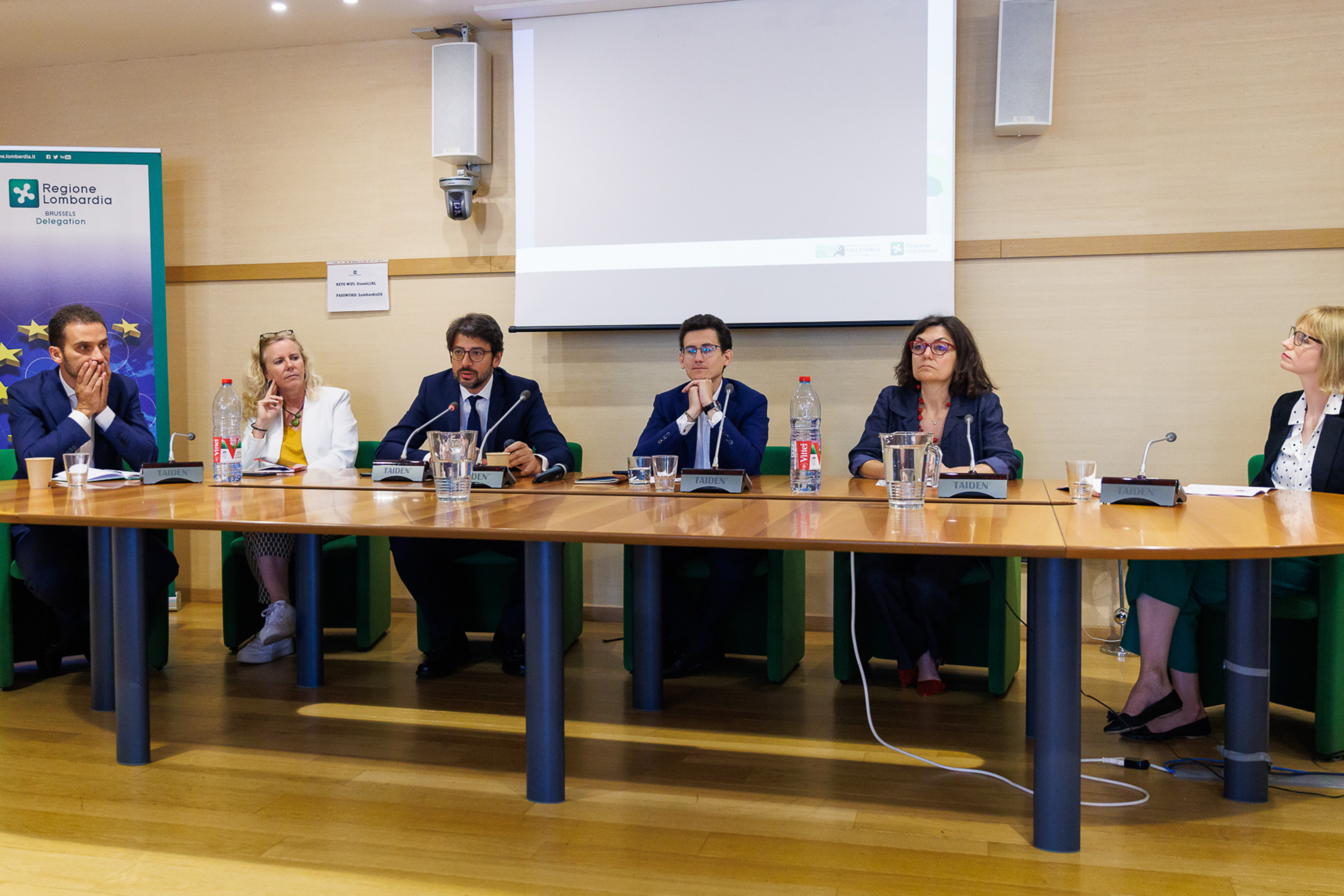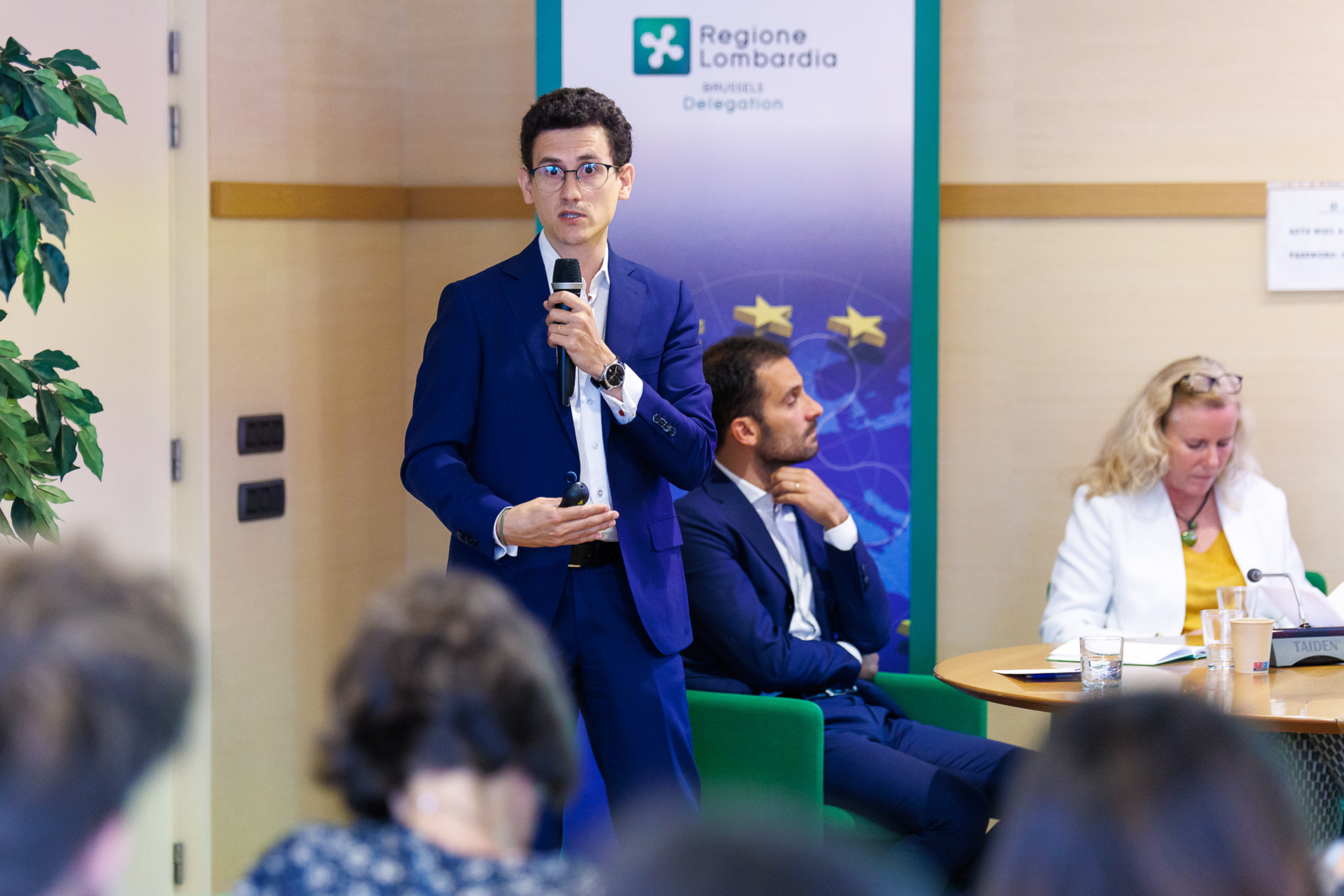
All hands-on deck: Mobilizing the EU’s cohesion policy to unlock Europe’s cities and regions’ potential to save energy (Event)

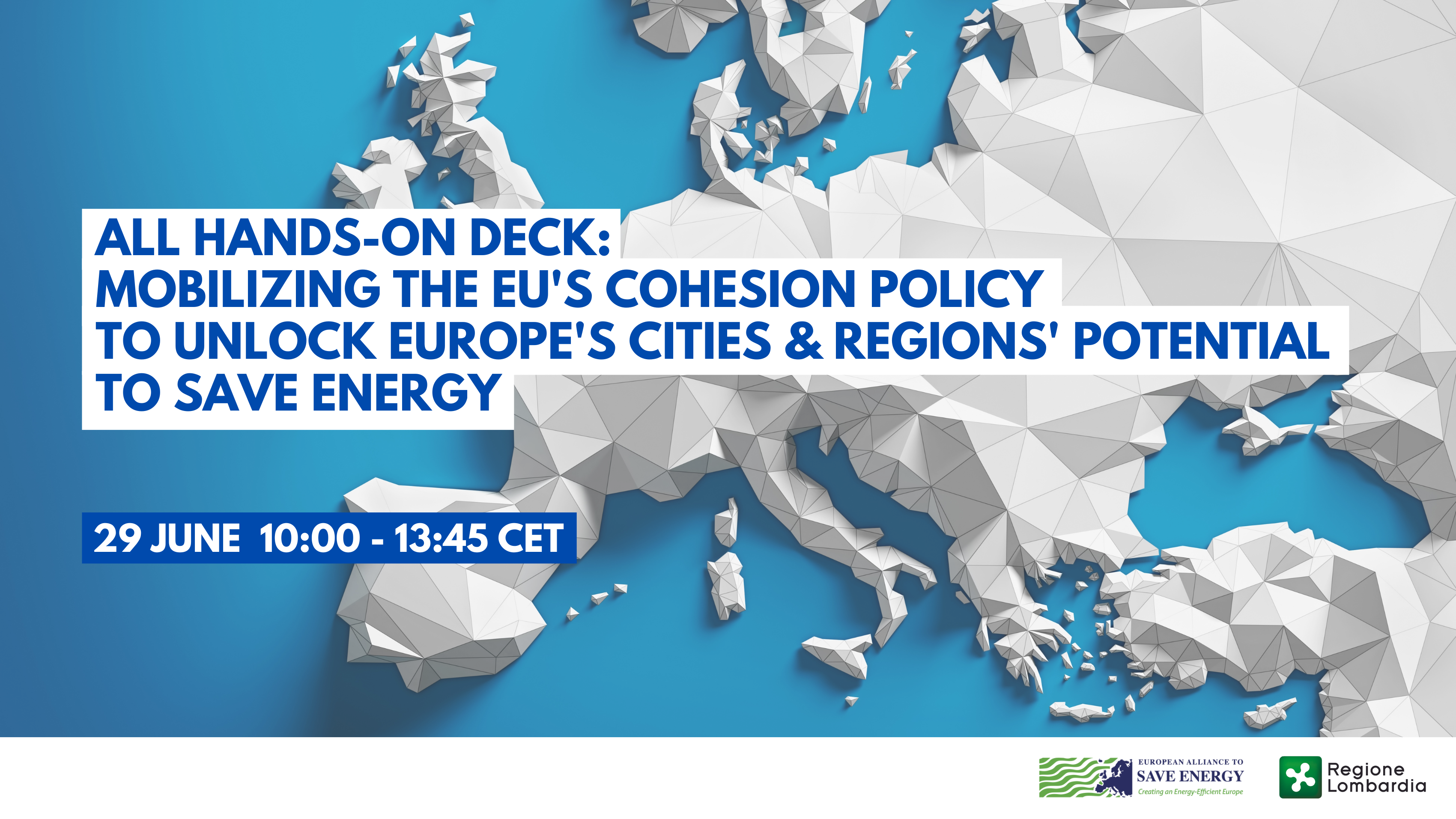
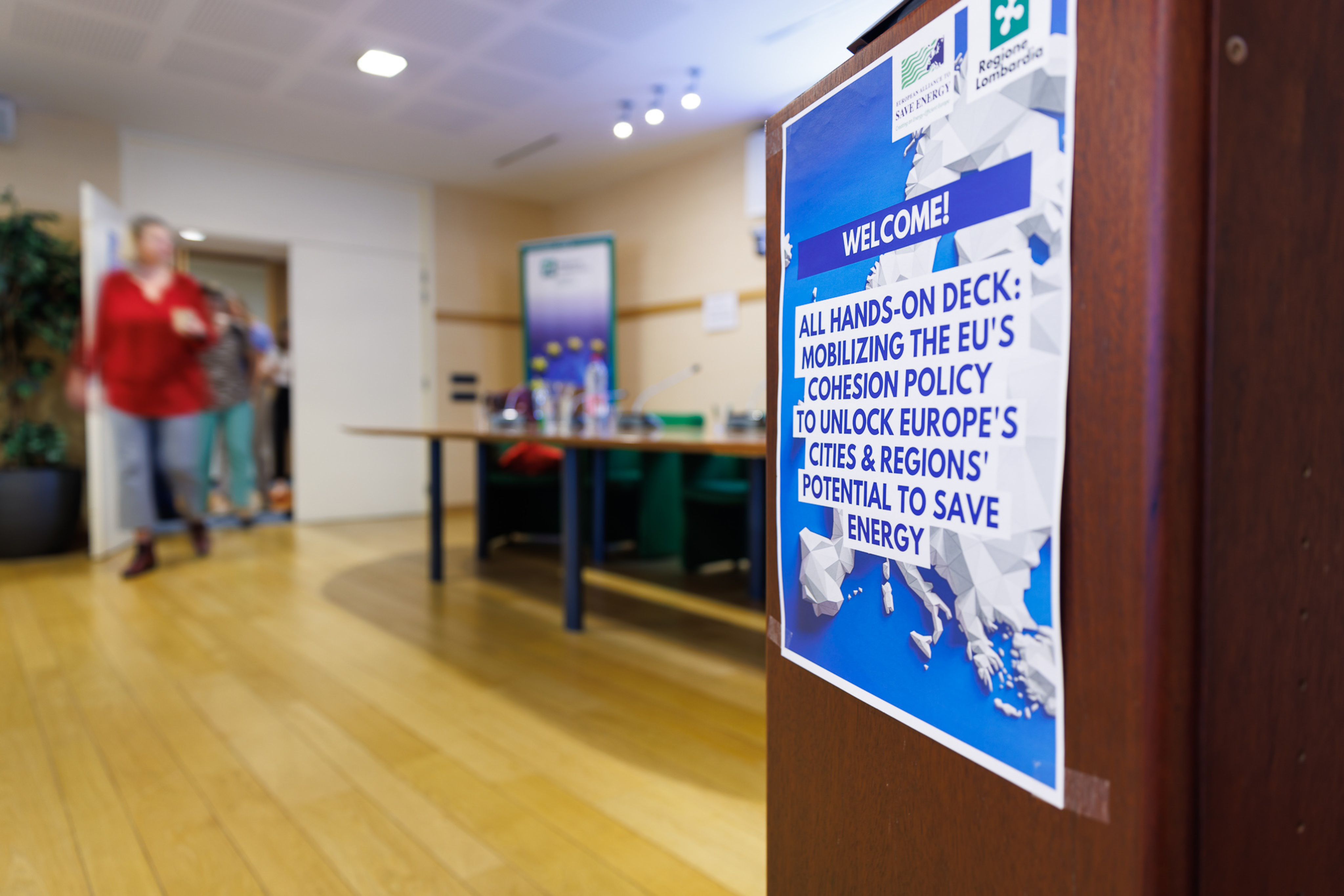
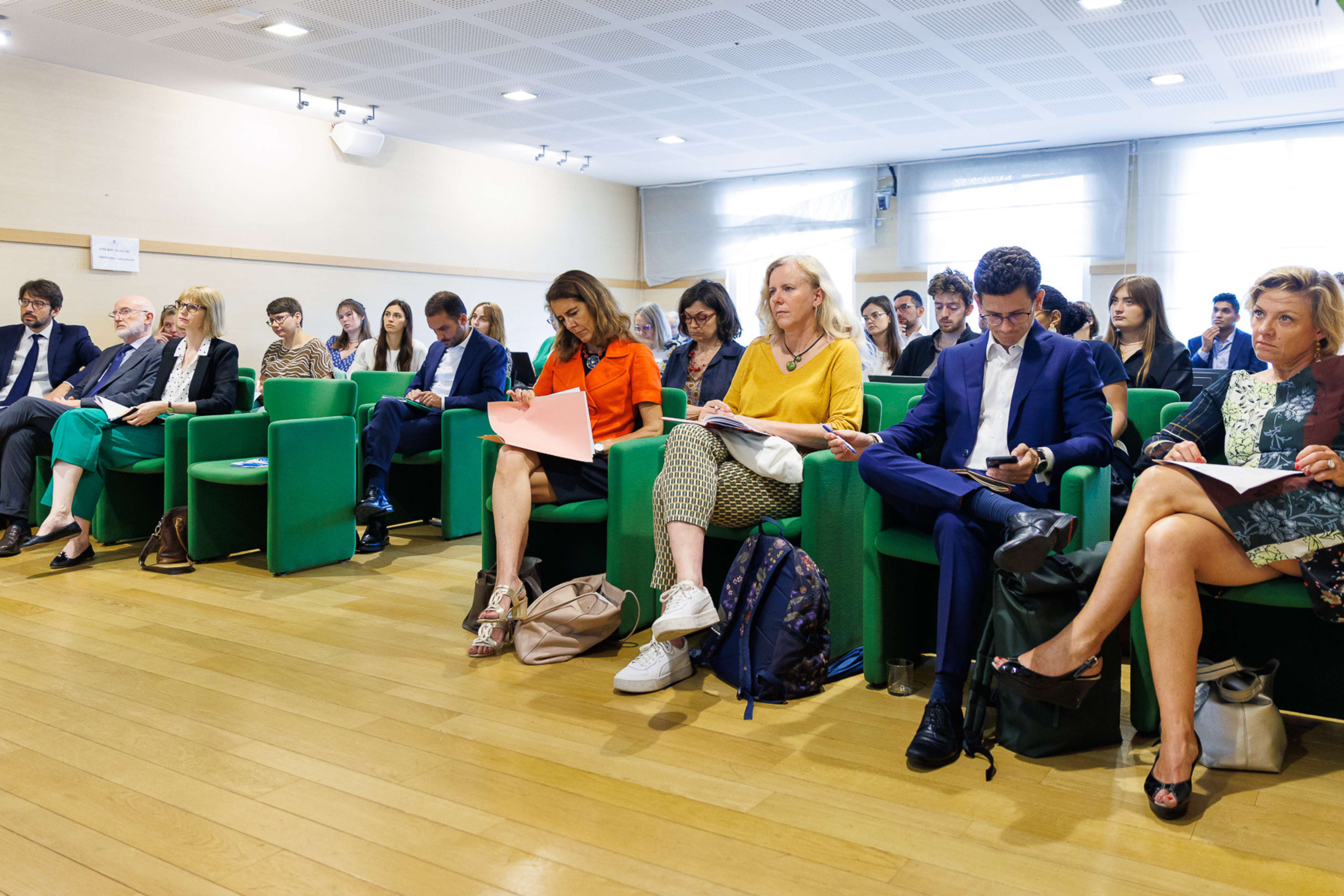
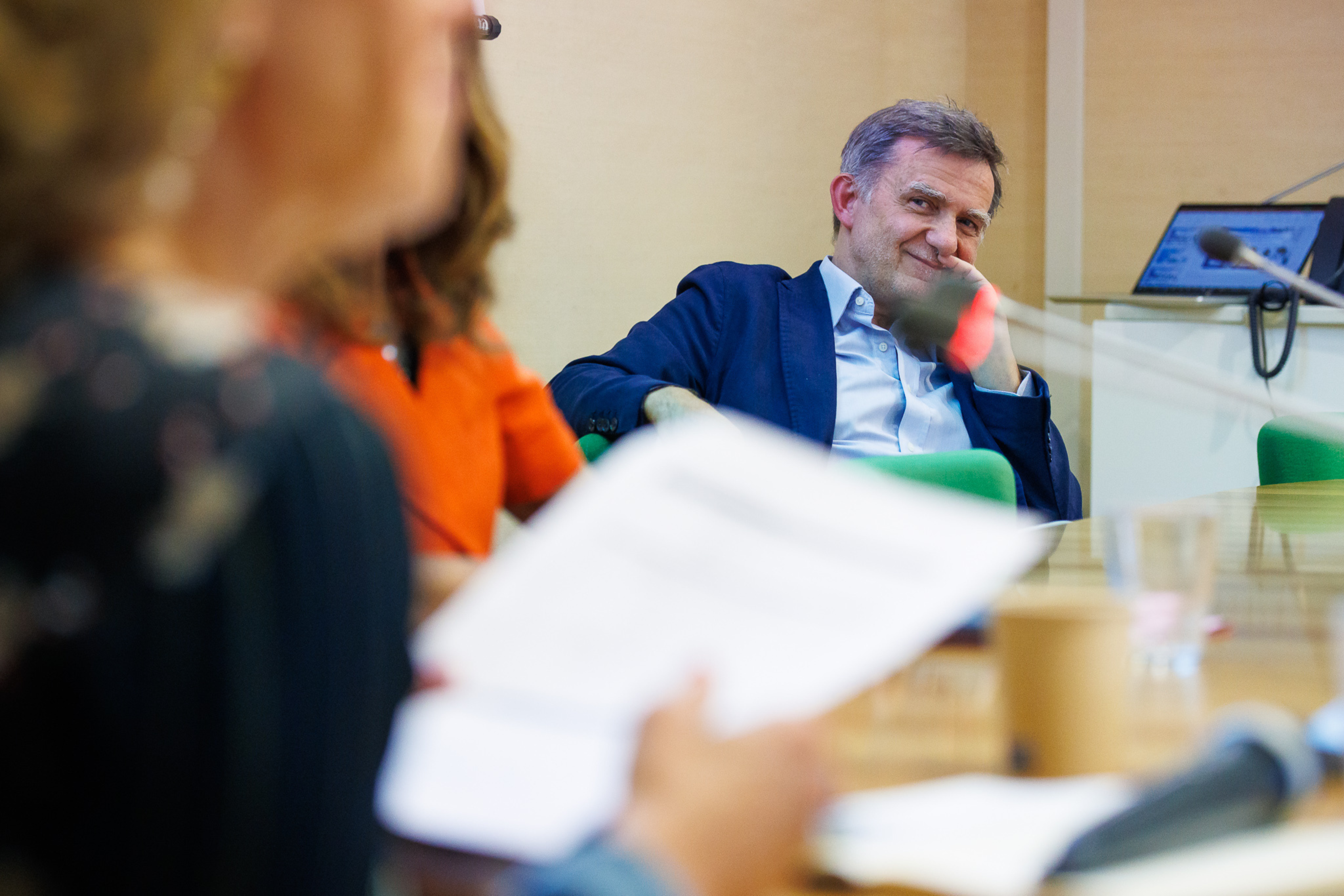
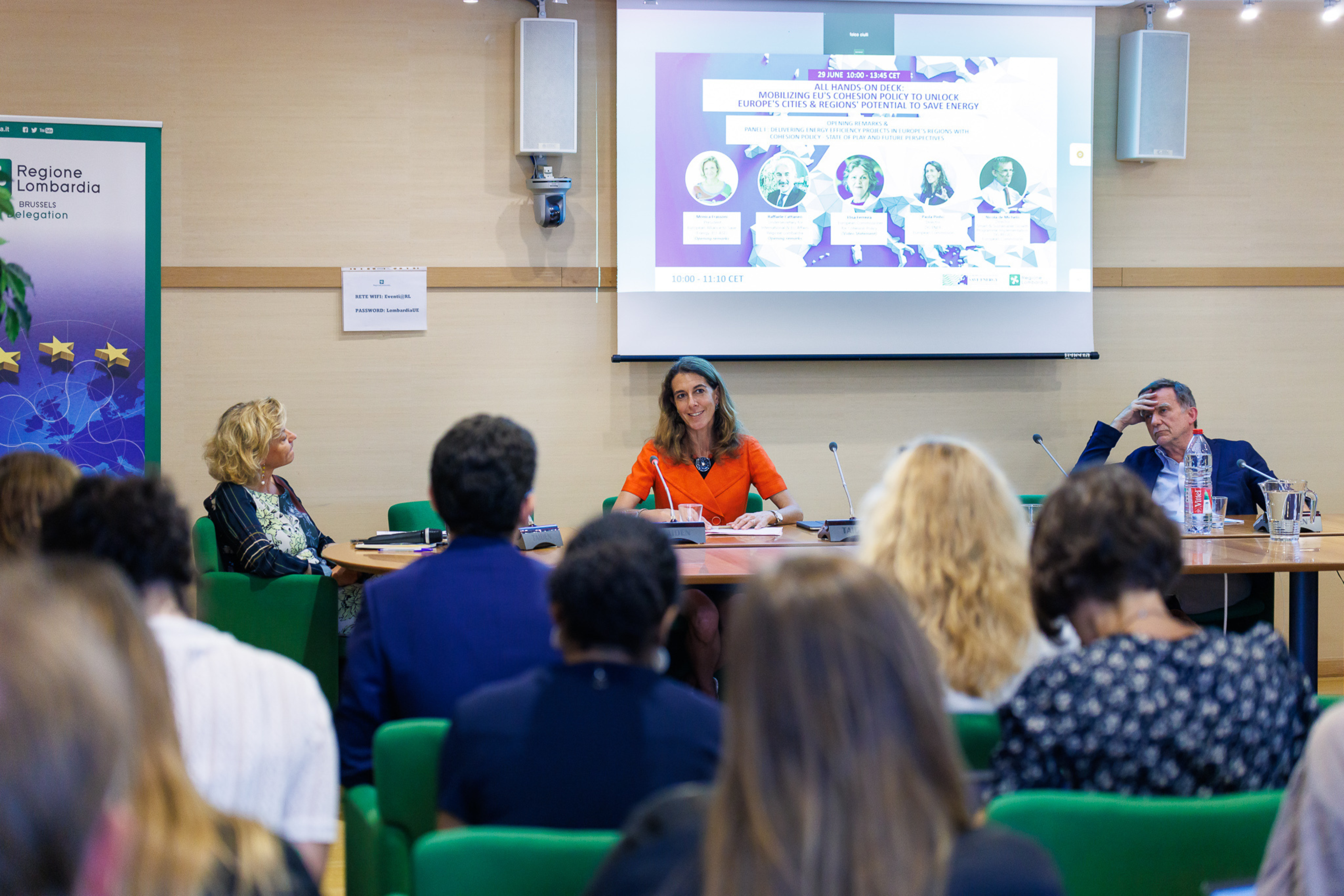
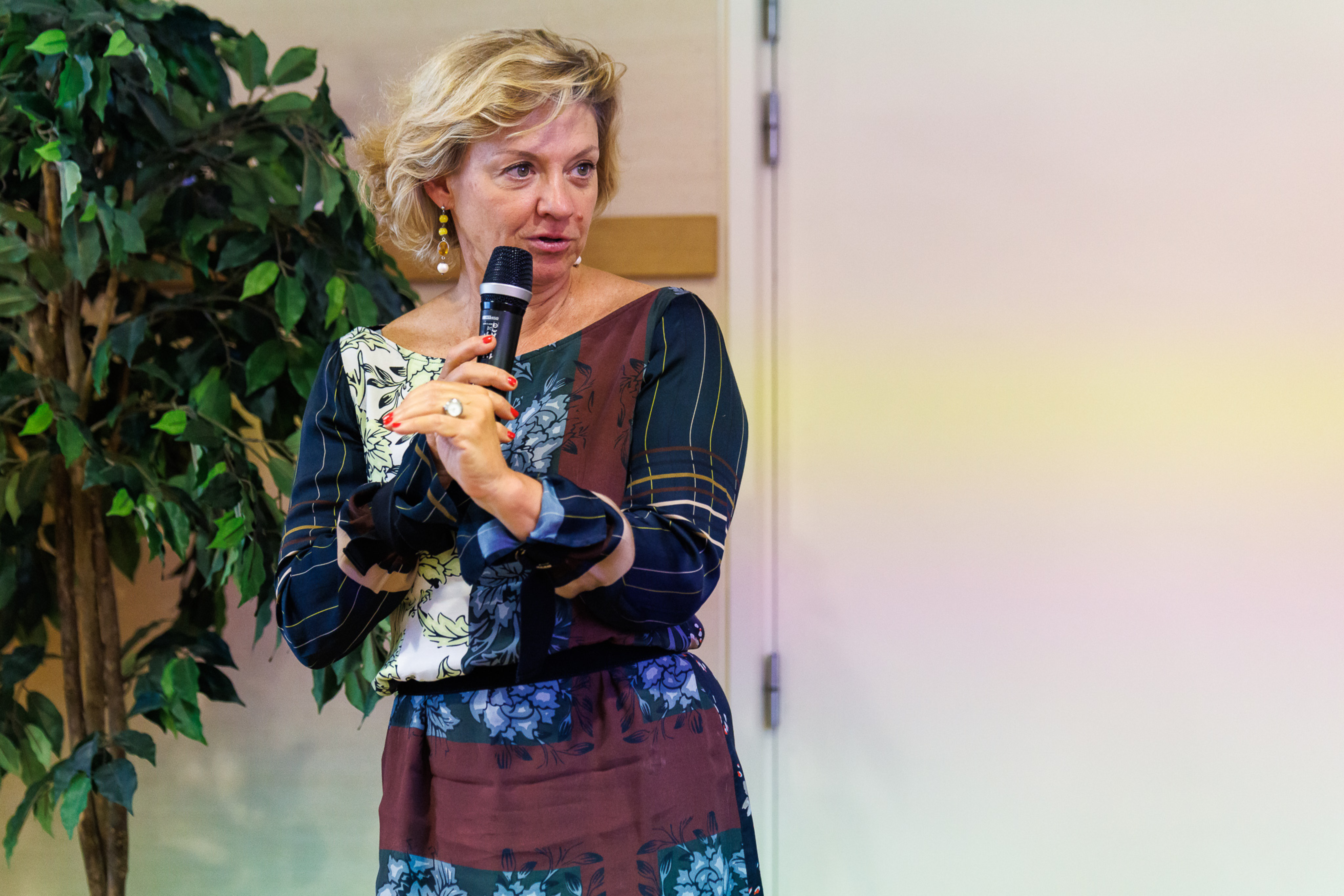
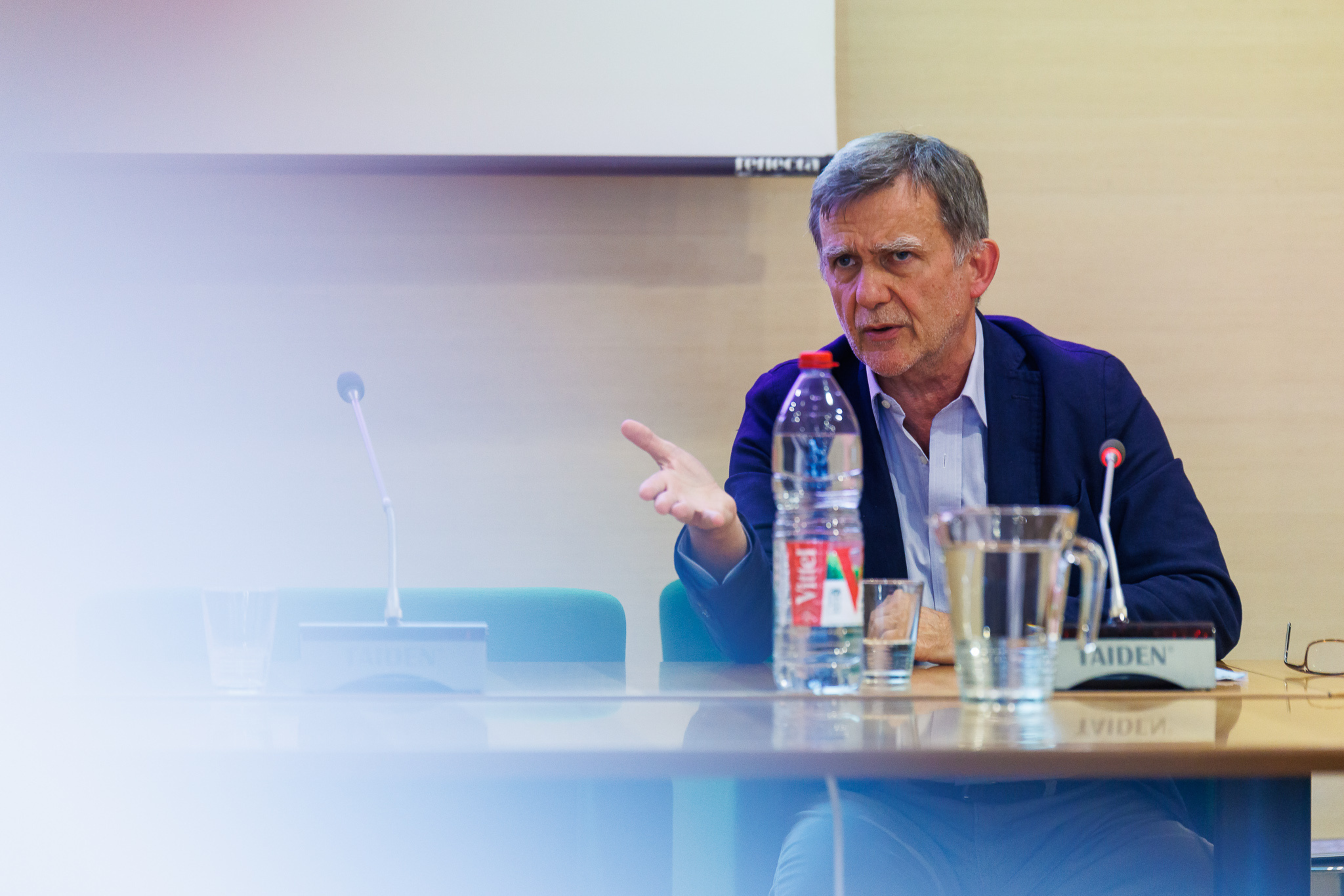
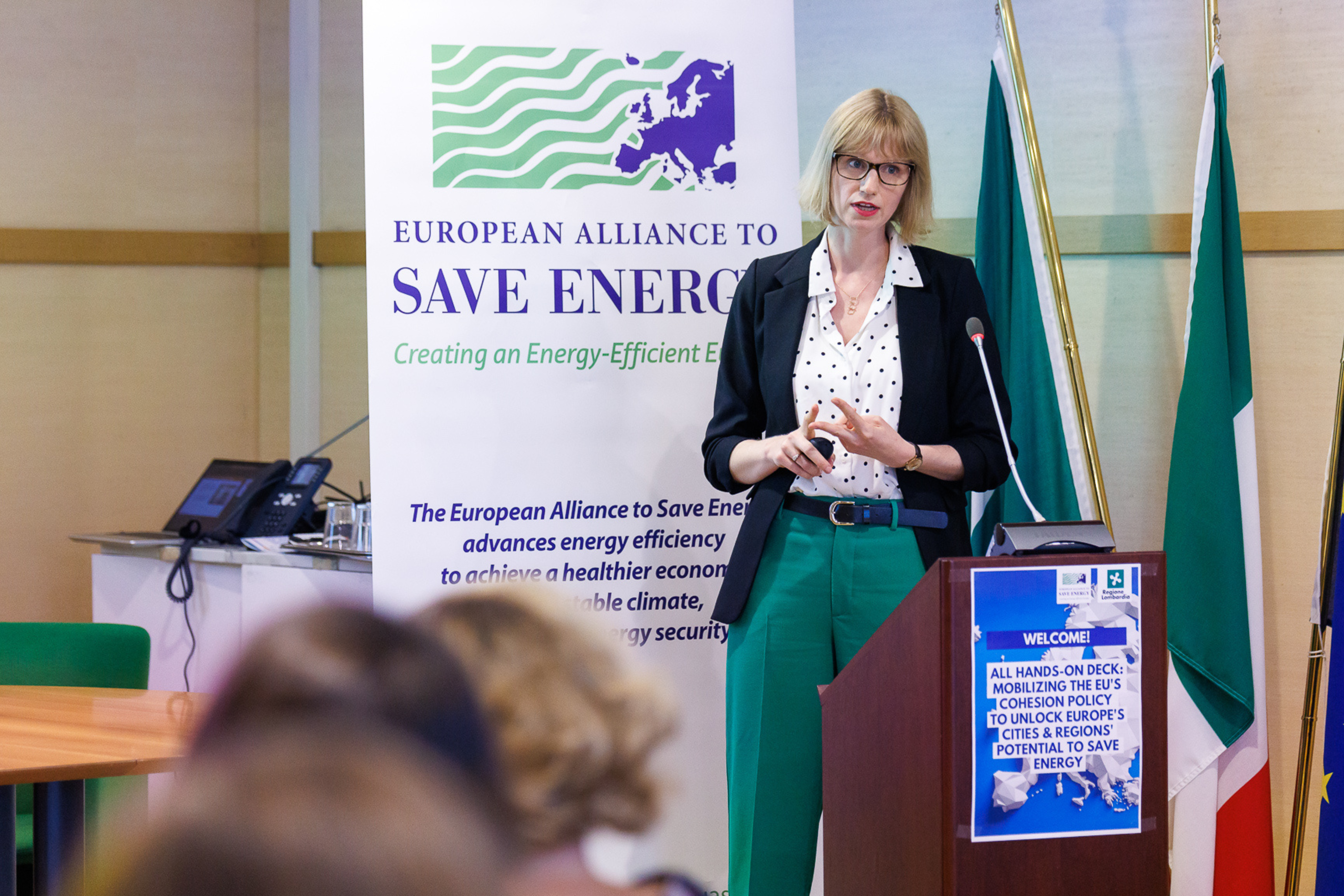
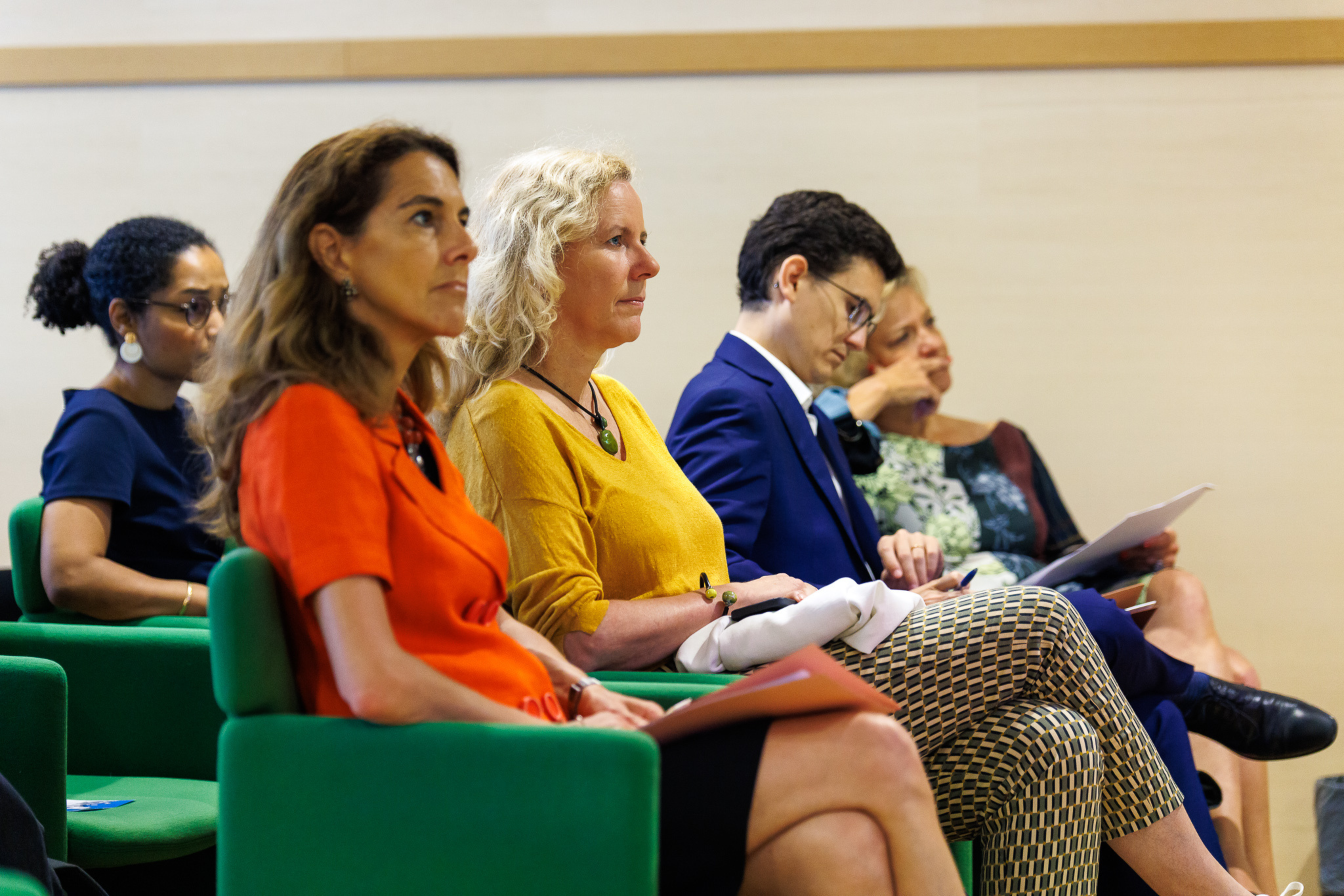
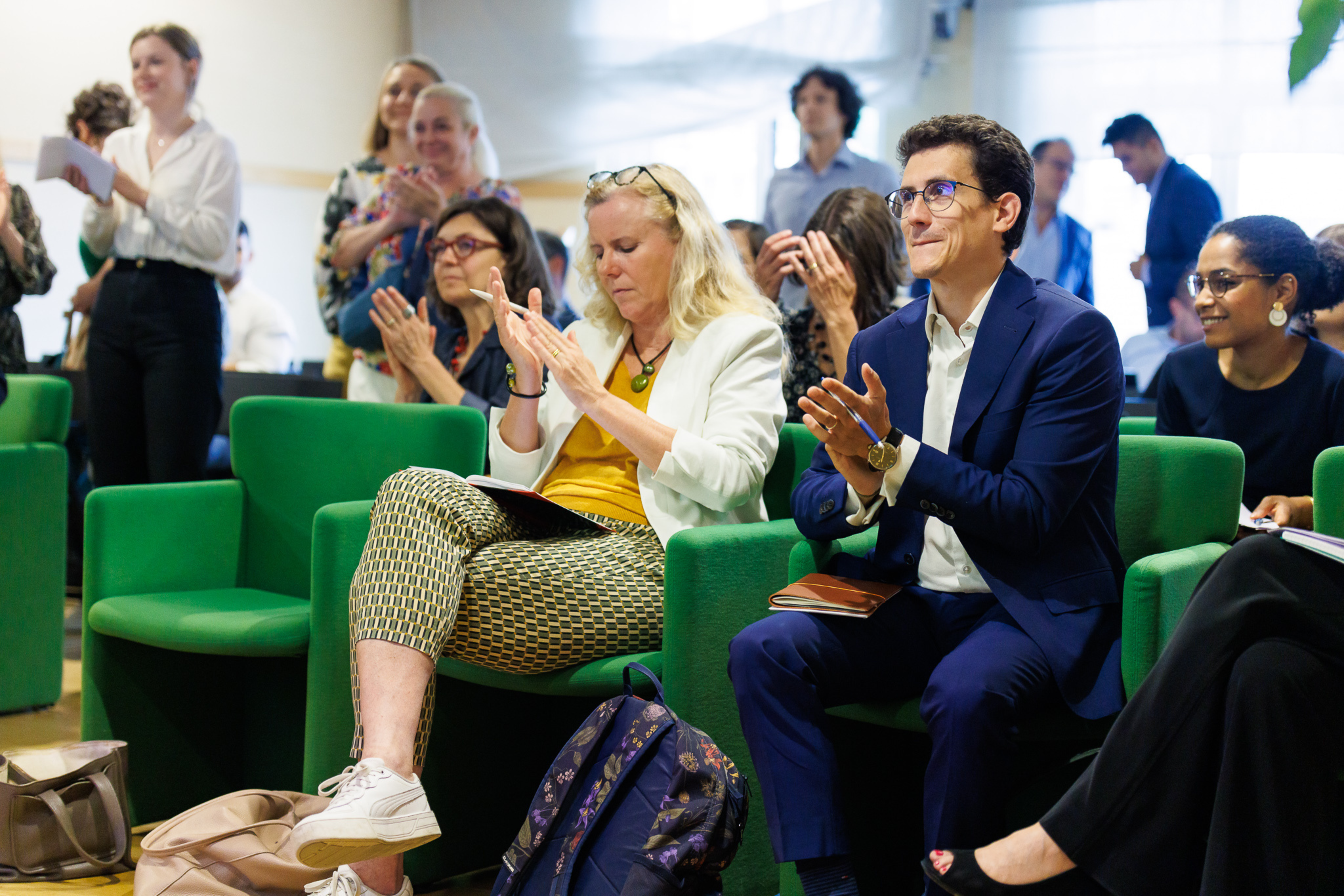
On 29 June 2023, the European Alliance to Save Energy (EU-ASE) and Regione Lombardia hosted a half-day event aimed at building forward-looking partnerships between regions & business on energy efficiency. The event took place on 29 June, 10:00 – 13:45 CET (including a light lunch).

Reducing energy need is one of our greatest tools to decarbonize and optimize our energy system to accelerate the integration of renewables, phase out fossil fuels and achieve the EU’s medium (2030) and long term (2050) energy and climate objectives of reducing greenhouse gas emissions. It is also one of our most effective defenses to abate the impact of high energy bills for European households and businesses.

It is in Europe’s cities and regions where much of the necessary climate action can and needs to take place. This is why the at least 30% of the European Regional Development Fund (ERDF) and 37% of the EU’s Cohesion Fund is dedicated to climate action, aligning with 2030 and 2050 energy and climate objectives. Energy efficiency, and achieving at least 30% in improvements, is a key priority for these funds, with significant financial support available to regions and local authorities for efficiency projects in key sectors: from public buildings and social housing to industrial plants and supporting local businesses.

Spent well, the funds will be a powerful lever to stimulate long-term private investment and build a solid skill base in Europe’s regions, but to realize the potential we need all hands on deck.

This half-day event:

  • United Europe’s regions and businesses, along with key representatives from the European Institutions, to look at how the EU’s Cohesion policy can be leveraged to support energy efficiency projects across Europe’s regions. 
  • Provided a platform for regions to share successful experiences and shed light on some of the challenges at regional level. 
  • Enabled Europe’s businesses and leading energy efficiency solution providers to demystify some of the technologies available for qualitative and quantitative savings, monitoring and measurement. 
  • Created a positive platform to connect the business community and regional actors and create new long-term partnerships to accelerate Cohesion supported energy efficiency projects at regional level. 

We learned that:

  • The EU has a solid regulatory framework for energy efficiency in Europe – we need now to go into this toolbox and collectively put everything we can into energy efficiency.
  • “Money is not the problem” – never before has there been so much support and funding at EU and local level for energy efficiency.
  • Public authorities need support to be able to help deliver energy efficiency in the regions – we need to work together to boost skills, provide technical assistance, develop public private partnerships and value chains around the renovation wave.
  • Measurement is absolutely key – both in terms of ensuring that we are delivering the potential and to build trust.
  • The solutions already exist and are ready “off the shelves”, businesses are ready to support local and regional authorities to address the challenges and to find the best technical solutions to their specific needs.
  • Regions are committed and are already planning many initiatives to deliver energy efficiency in buildings and in industrial processes. There are some very promising results in terms of improvements in performance, but some challenges still need to be addressed to improve the quality and quantity of expenditure. 

Event speakers:

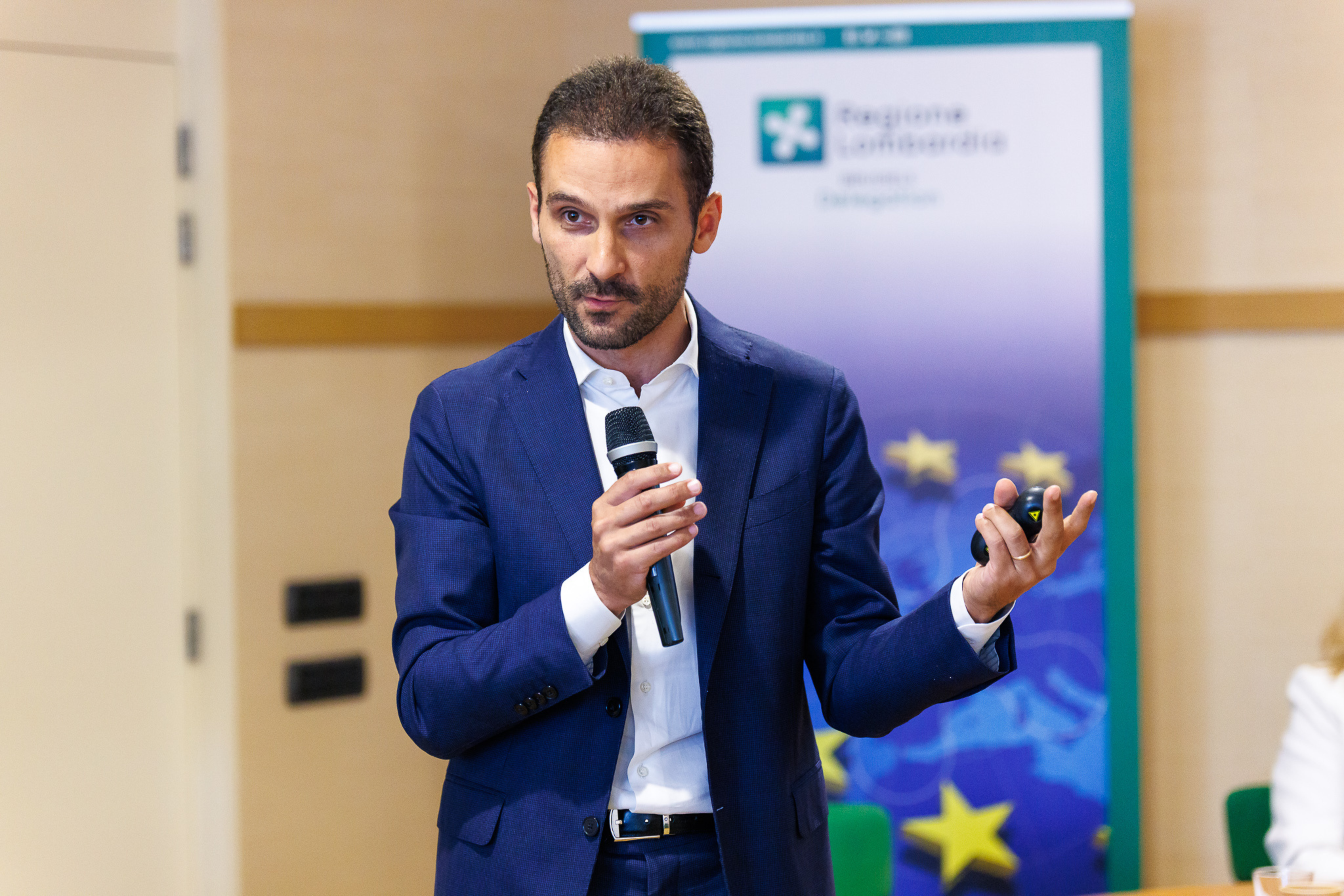
  • Opening remarks: Raffaele Cattaneo, Undersecretary for International and EU Affairs, Regione Lombardia 
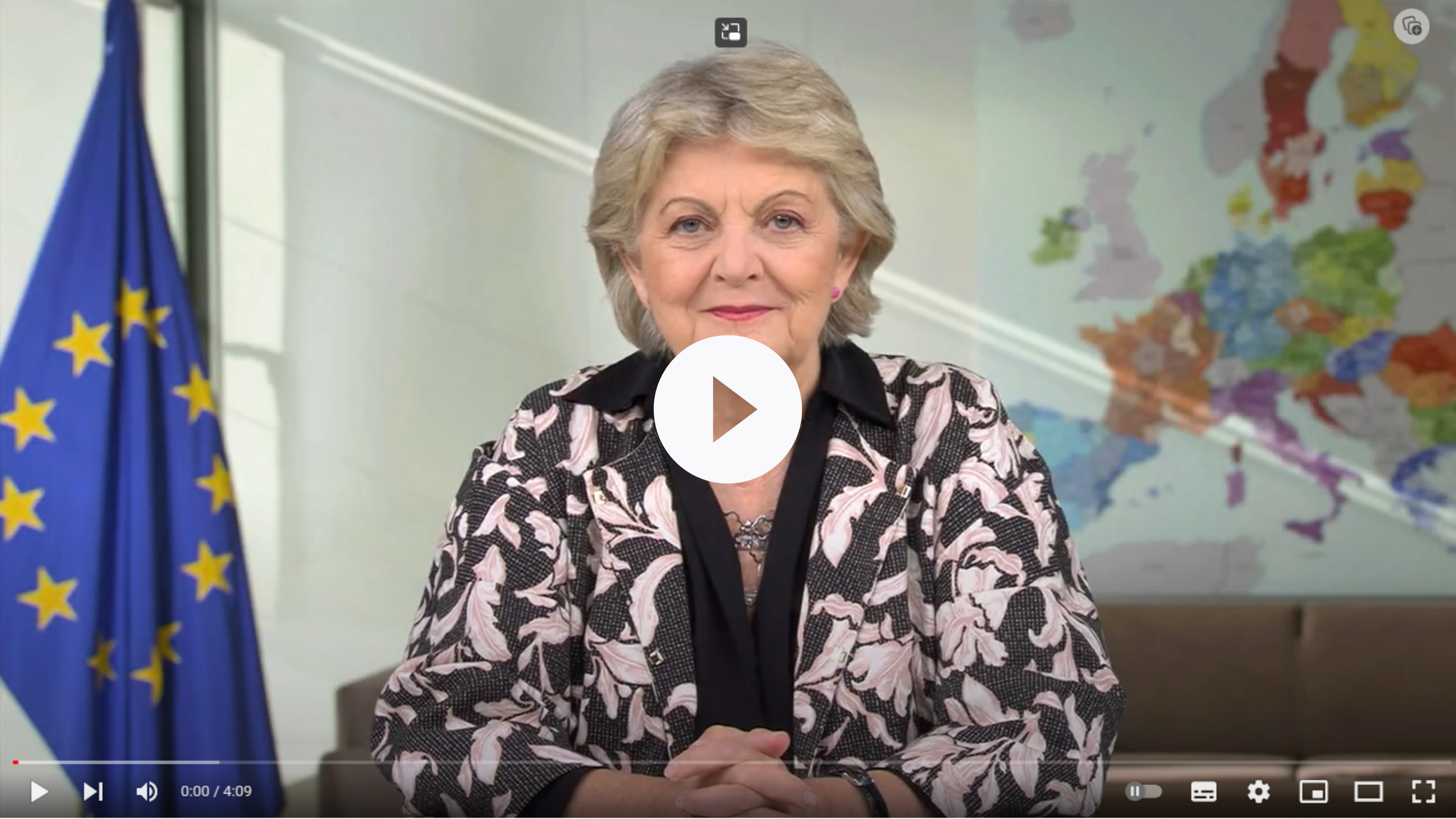
  • Personal video address: Elisa Ferreira, Commissioner for Cohesion and Reforms
  • Paula Pinho, Director, Directorate-General ENERGY, European Commission
  • Nicola de Michelis, Director Smart & Sustainable Growth, Programme Implementation, DG REGIO 
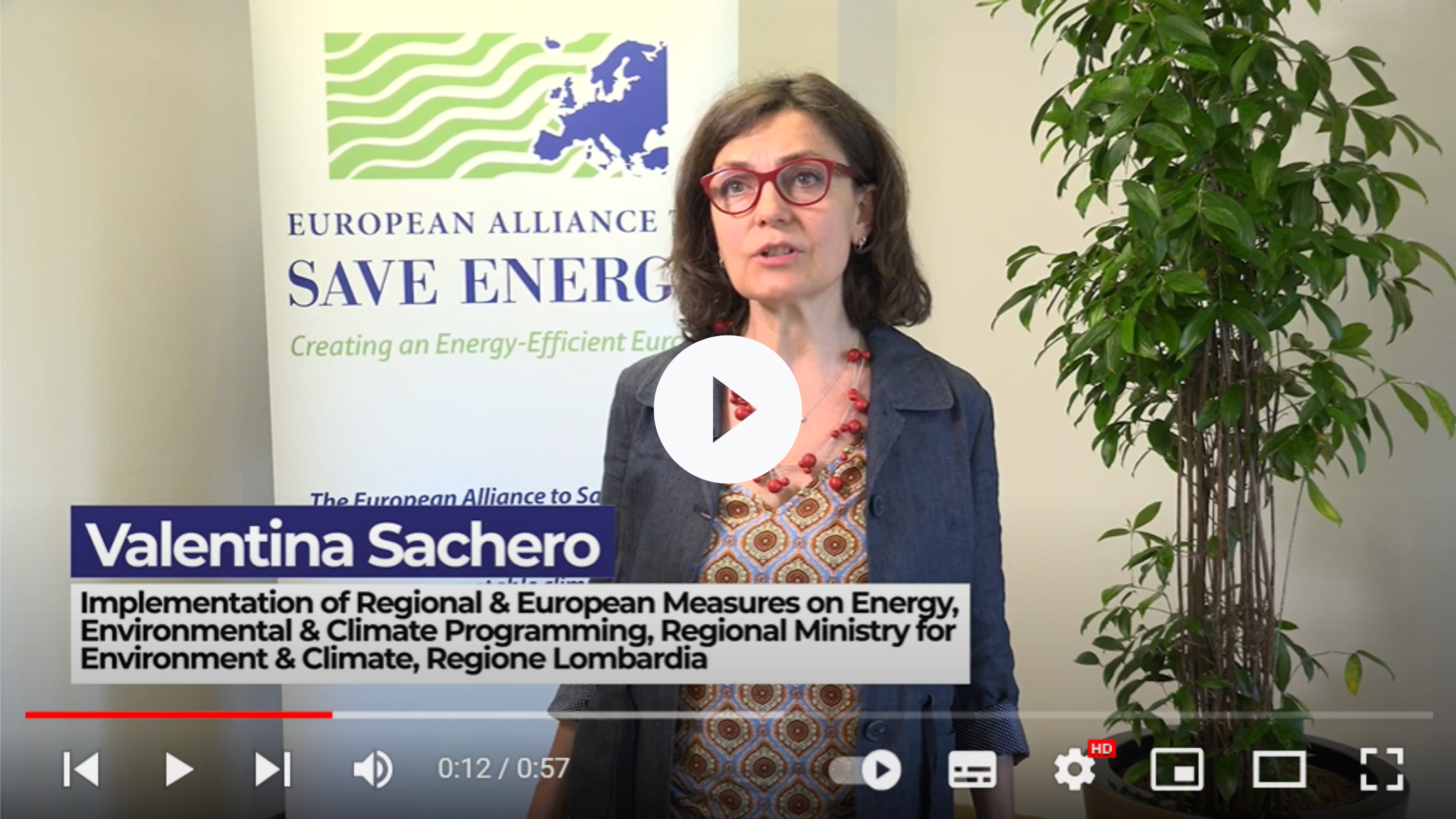
  • Valentina Sachero, Implementation of Regional & European Measures on Energy, Environmental & Climate Programming, Regional Ministry for Environment & Climate, Regione Lombardia
  • Quentin Galland, Group Public & Regulatory Affairs Director, Knauf Insulation
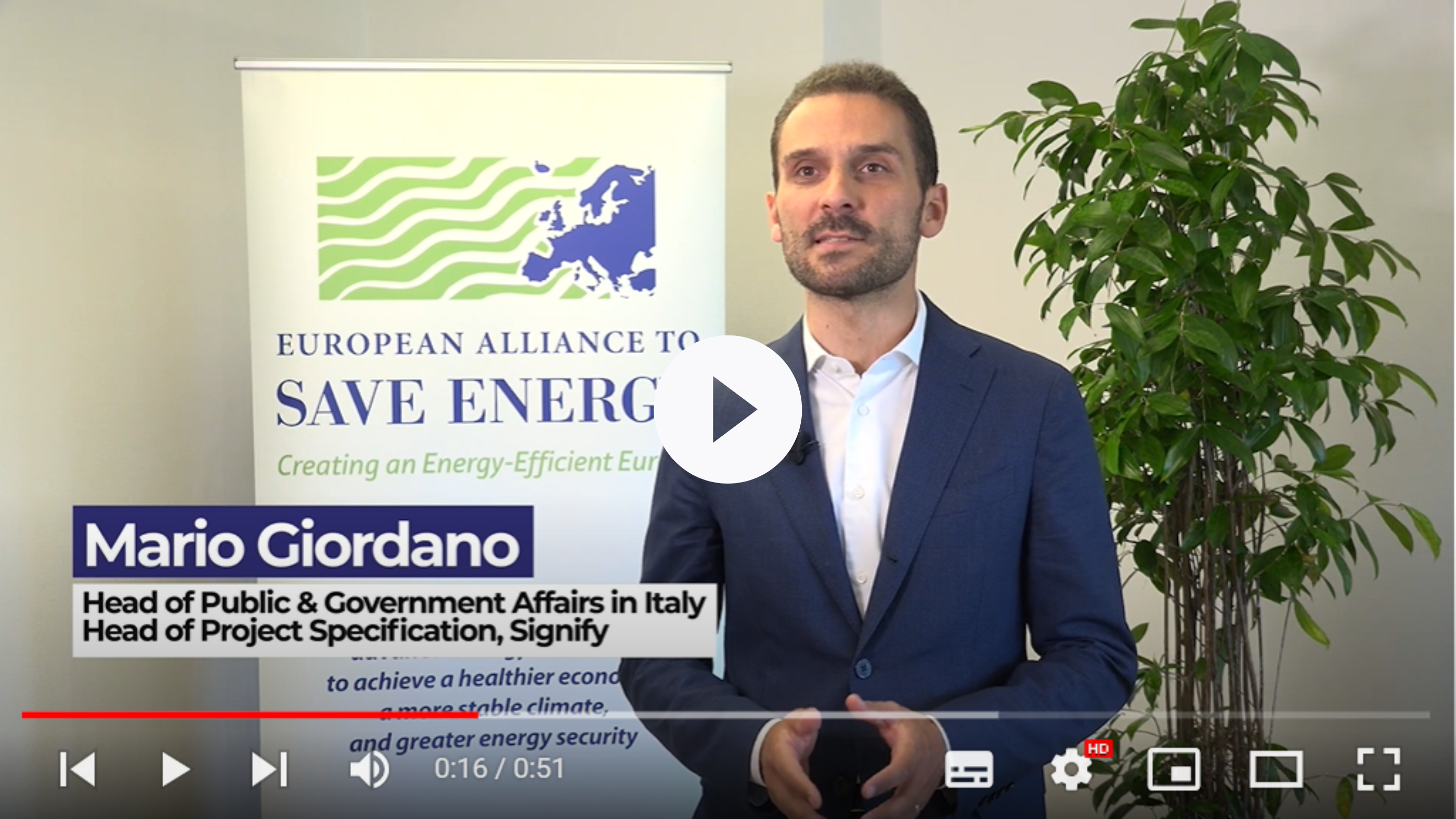
  • Mario Giordano, Head of Public & Government Affairs in Italy; Head of Project Specification, Signify
  • Andrea Voigt, Head of Global Public Affairs, Danfoss Climate Solutions 
  • Caroline Simpson, Renovate Europe Campaign Manager

View full agenda here

Watch the opening remarks by the Commissioner for Cohesion and Reforms.

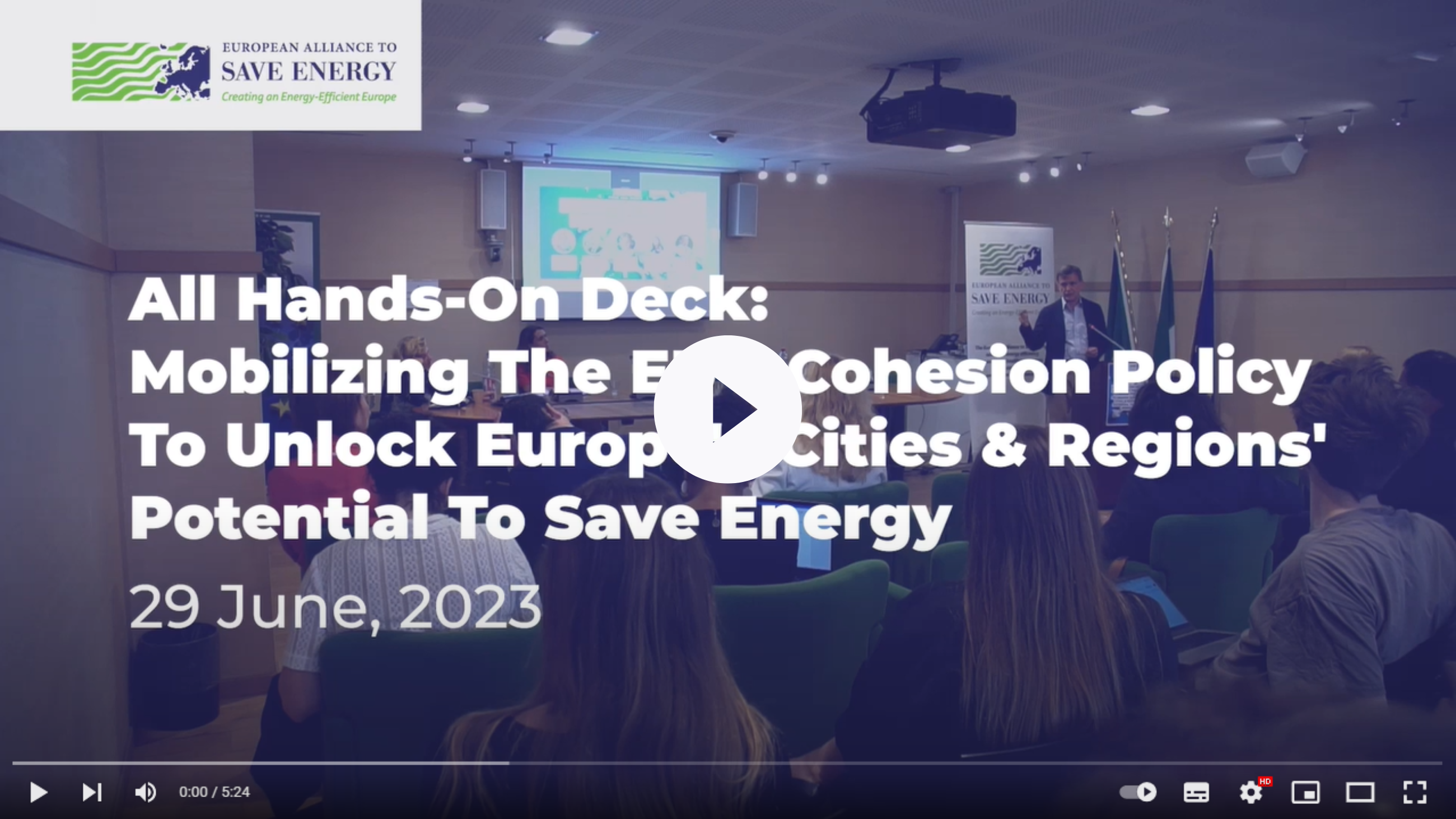
Watch the full event video.

How are DG REGIO & DG ENER working together to ensure EU Member States understand the opportunities to deliver energy efficiency projects using EU funding?

How does DG REGIO intend to further boost energy efficiency projects in the regions through Cohesion Funding in the next period?

What kind of funds are available for regions to support energy efficiency projects?

Which are the energy efficiency technologies that can be implemented by regions to support the energy transition and how can we monitor them?

How does DG REGIO intend to further boost energy efficiency projects in the regions through Cohesion Funding in the next period?

What kind of funds are available for regions to support energy efficiency projects?

Follow us


Privacy Policy

© All right reserved

Digital Twin of buildings: a way to enhance energy efficiency and net zero commitments

Buildings in the EU are responsible for 40% of energy consumption and 36% of greenhouse gas emissions that includes construction, usage, renovation and demolition phases (1). Legislation such as the European Energy Performance of Buildings Directive (EPBD) is progressively addressing these challenges by establishing concepts of zero emission and nearly zero emission buildings. The EU Energy Efficiency Directive (EED) established the “how” by universal deployment of smart meters and high-efficiency drives. The EU Renewable Energy Directive (RED) paved the way for renewables and waste heat recovery in the urban environment. Digitalization brings it all together.

Digital Twins are a representation of real-world physical assets that serves for simulation, integration, testing, monitoring, and maintenance purposes.

In the context of buildings, Digital Twins bring numerous benefits. First, it connects the smart building to the smart city so that a building is no longer managed as an isolated entity but as an active cell in a larger organism with which it interacts at many levels: people, goods, utilities and data.

Second, it leverages AI to build complex models, forecast, reduce risk and send early warnings on any areas of interest: from building occupancy and comfort temperature to biological risks and cyber attacks.

Third, it makes sustainability and carbon footprint visible real-time and therefore actionable. It also reinforces District Heating and Cooling’s advantages for heat delivery, sustainability and affordability.

Last but not least, it is easy to implement without disrupting current building infrastructure, ideal for building renovations as well it is technology agnostic, it leverages all utilities and sensors already installed (telecoms, water, power, surveillance, HVAC).

In conclusion, digital twins of buildings are a good way forward to drive an ambitious energy efficiency and net zero agenda in the future that should be considered by policy-makers, local authorities and stakeholders.

Victor Ferre
Senior Director Vertical Marketing – Building Services Europe
Xylem

Source: 1. In focus: Energy efficiency in buildings. European Commission

Follow us


Privacy Policy

© All right reserved

To deliver the ambition of new energy efficiency directives

Switching all conventional light points to LEDs is one of the easiest, quickest and most cost-effective ways of reducing energy consumption, says Alice Steenland from Signify says Alice Steenland of Signify in Foresight Climate & Energy ahead of the second edition of European Energy Efficiency Day.

A simple change can make a big difference.

Simply swapping conventional lights for LED alternatives can reduce lighting-related energy usage by 50% or more. With smart lighting management in place, energy savings can approach 80% over conventional technology.

In Europe, half of all currently installed lights, residential and commercial combined, are conventional. This represents an enormous opportunity. Replacing all conventional lights in the EU with LED alternatives could save an estimated €65 billion in energy costs, depending on energy rates, and could reduce CO2 emissions by 51 million tonnes—not just once, but every single year.


Read the full article on Foresight Climate & Energy.

More information on Energy Efficiency Day here & Register here.
Follow us


Privacy Policy

© All right reserved

Future of the Energy Union: bringing the transformative potential of energy efficiency in the National Energy and Climate Plans

As EU member states prepare to submit their revised National Energy and Climate Plans (NECPs) to the European Commission on 30 June, they must pay greater attention to energy efficiency, writes EU-ASE President Monica Frassoni in Euractiv.

A future energy system must be highly energy and resource efficient, based on renewables, secure, competitive, affordable and of course, safe. One that can respond to the climate, energy and water crises that increasingly perturb our economy and create social tensions.

Reducing energy needs and doing this through ready-to-use technologies and a system approach is key to success of Europe’s future energy union and the Green Deal. The Energy Efficiency community needs therefore to have a regular seat at the table.

This is not always the case.


Read the full article byMonica Frassoni in Euractiv.

Follow us


Privacy Policy

© All right reserved

It’s time to unlock the demand side potential in accelerating the energy transition.

In recent months the term “polycrisis” has found its way into our vocabulary. This term captures the multiple crises (climate; energy; inflation; war in Ukraine; …) that are impacting society at large. A sobering reality is that all these crises were created by mankind, as we use the wrong energy and waste too much of it, thus paying far too much in powering our economies and living our lives. On the flipside this means that as mankind we are in the driver’s seat in tackling these challenges. The good news is that the solutions are also interrelated and have raised the relevance and awareness of the energy transition to efficient and clean technologies.

Much attention goes out to the “supply side” of the energy transition, both on the energy mix (with ongoing high use of coal; a search for alternative gas supplies; scaling renewables; investments in hydrogen and nuclear) and energy intensive industries with large stimuli programs in Europe and the US (the Green Deal Industrial Plan and the Inflation Reduction Act). Yet the structural changes to decarbonize our energy system at the supply side of the energy transition will need time to reach scale and impact.

As the world needs solutions on a much shorter term, the time is right to unlock the vast potential at the “demand side” of the energy transition. This largely comes down to stepping up our collective efforts on energy efficiency.

The electrification of heating, transport and other service systems require a massive amount of electricity. The average global electricity consumption of a household (3400 kWh) is almost exactly equal to the annual amount of electricity needed to charge an electric vehicle or to power a heat pump. Already the grid is close to a point where countries are at or near capacity.

For example, while the lighting sector is positively known for the transition to LED lighting, lighting alone still accounts for 13% of global electricity usage. Importantly around half of all light points in the US and EU are still conventional, offering an enormous opportunity for rapid reductions of lighting-related energy consumption. LED lighting retrofits are relatively fast and easy, with few invasive activities involved.

Through a complete switch to connected LEDs, the EU has the potential to save €65.1 billion in energy costs annually and mitigate 51 MTons of carbon emissions, while freeing up enough electricity to power 47 million heat pumps and thus keep a quarter of all households warm each year. The reduction in carbon dioxide would be equal to the sequestration capacity of a forest the size of Switzerland.

Like for lighting, many other solutions exist and Europe’s “demand side companies” operate at the cutting edge of active and passive energy efficiency technologies including lighting, building management systems, sensors, controls, insulation, windows and many others.

Energy efficiency technologies can generate savings often called “low-hanging fruit” waiting to be picked, so let us roll up our sleeves and pick those fruits for the benefit of Europe’s competitiveness and the well-being of its citizens.

Harry Verhaar
Head of Global Public and Government Affairs
Signify

Follow us


Privacy Policy

© All right reserved