
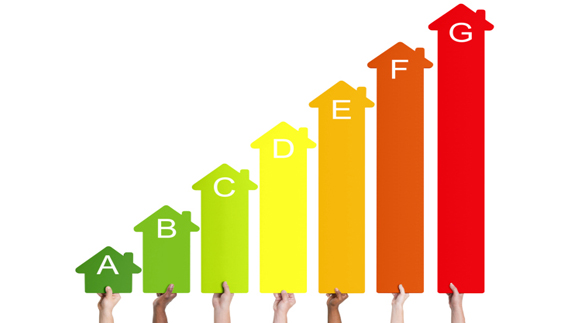
Article 1 provides the general framework for the promotion of energy efficiency within the Union in order to ensure the achievement of the EU 20% energy efficiency headline target by 2020. In addition and more specifically, Article 3 requires that each Member State sets an indicative national energy efficiency target based on either primary or final energy consumption, primary or final energy savings or energy intensity. In setting the targets, Member States should take into account a number of provisions set out in Article 3(1).


As regards the EU energy efficiency target for 2030, the European Council agreed in October 2014 on an indicative target at the EU level of at least 27% (compared to projections) to be reviewed by 2020 having in mind an EU level of 30%. Therefore, the existing policy framework should be updated to reflect the new EU energy efficiency target for 2030 and to align it with the overall 2030 Climate and Energy framework.


Follow us


Privacy Policy

© All right reserved

In a fast-changing political and economic environment, 2025 was a year of continued efforts to strengthen security, stability, and competitiveness for European businesses.

Throughout the year, our work demonstrated that energy efficiency is not only essential to achieving climate goals, but also a key driver of innovation, energy independence and sustainable long-term growth across Europe.

Strong engagement with policymakers, combined with the successful organisation of the 4th European Energy Efficiency Day, highlighted the importance of collaboration and dialogue in advancing shared objectives. Partnerships across sectors and institutions remained central to delivering impact and shaping effective energy policies.

Looking ahead to 2026, we will intensify our efforts to secure the regulatory certainty that can accelerate the energy transition, while providing businesses with the investment confidence they need and strengthening Europe’s  competitiveness.

Read the full Activity Report here

Share This