Interview: To shave peak demand, EU states should impose ‘flexibility’ on industry
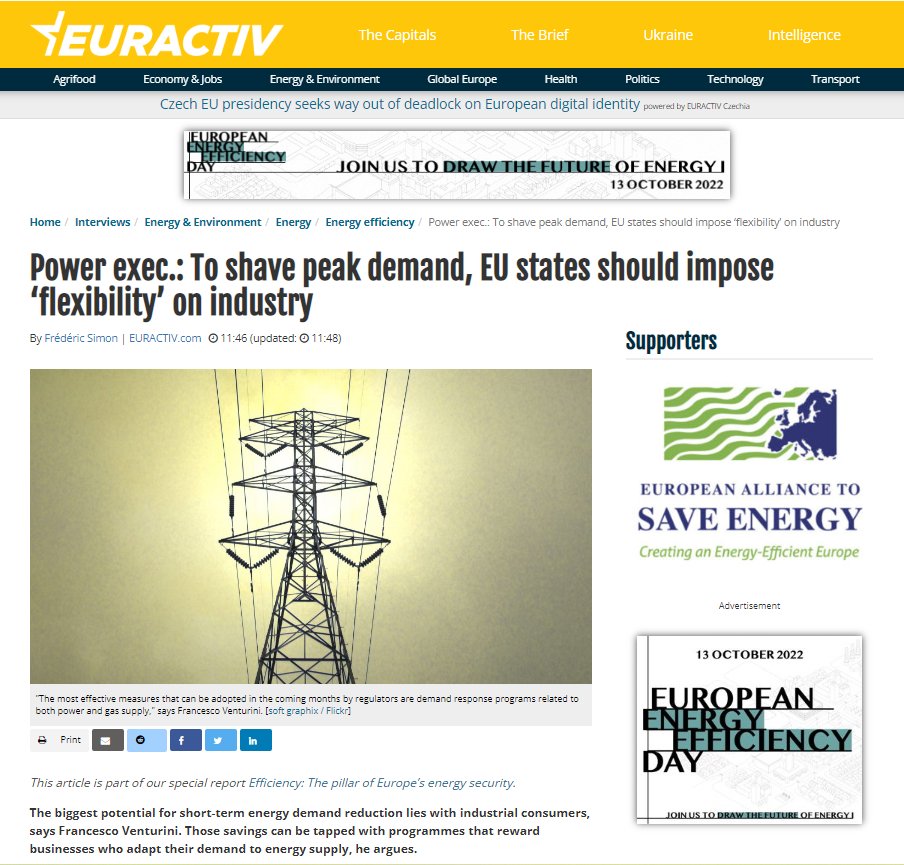
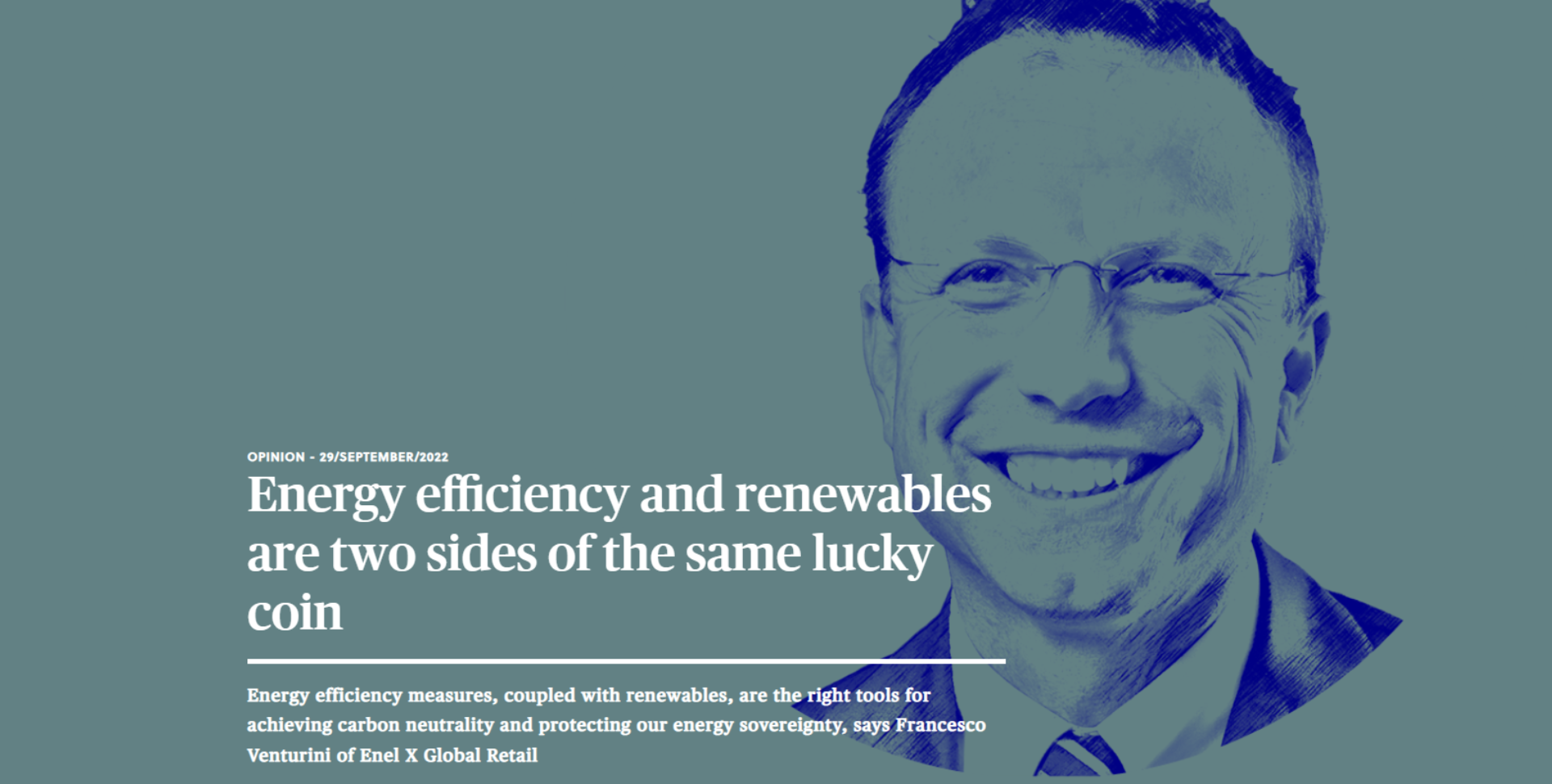
“The EU’s high gas dependency can be reduced through both electriciation and energy efficiency,” Francesco Venturini of Enel X Global Retail told Frédéric Simon of Euractiv ahead of European Energy Efficiency Day 2022.
The biggest potential for short-term energy demand reduction lies with industrial consumers, says Francesco Venturini. Those savings can be tapped with programmes that reward businesses who adapt their demand to energy supply, he argues.
Interview highlights:
- Big industrial loads offer the biggest opportunity to efficiently manage peak electricity consumption
- EU countries should introduce forms of mandatory flexibility, rewarding businesses that are able to adapt their demand to electricity supply
- Europe has sufficient gas storage to get through this winter without rationing. Potential shortages could especially affect the winter 2023-2024 and the following ones
- Today’s high gas prices are driven mostly by speculation. This should be reined in with the introduction of a temporary price cap on European gas
- For private consumers, regulations should be adjusted to encourage energy self-consumption, like solar panels and batteries. Other examples include citizen-led Energy Communities, tax deductions for heat pumps, removing subsidies for gas boilers, and a ‘right to plug-in’ for consumers
- When it comes to public spending, Enel believes policies that promote energy savings from direct fossil fuel combustion must be excluded from eligible measures to achieve EU members states’ energy savings obligations