In the transition towards a new decarbonised energy system, it is clear that we cannot continue to look at climate challenges in isolation. We need a system-wide approach in which energy efficiency improvements make it easier to increase the share of renewables in the final energy mix, and vice versa. With energy efficiency and renewable energy working together, the decarbonisation of our economy will go much faster and at a lower cost. Energy efficiency and renewable energy can bring about more than 90% of the energy-related CO2 emission reductions needed to meet Paris Agreement targets.
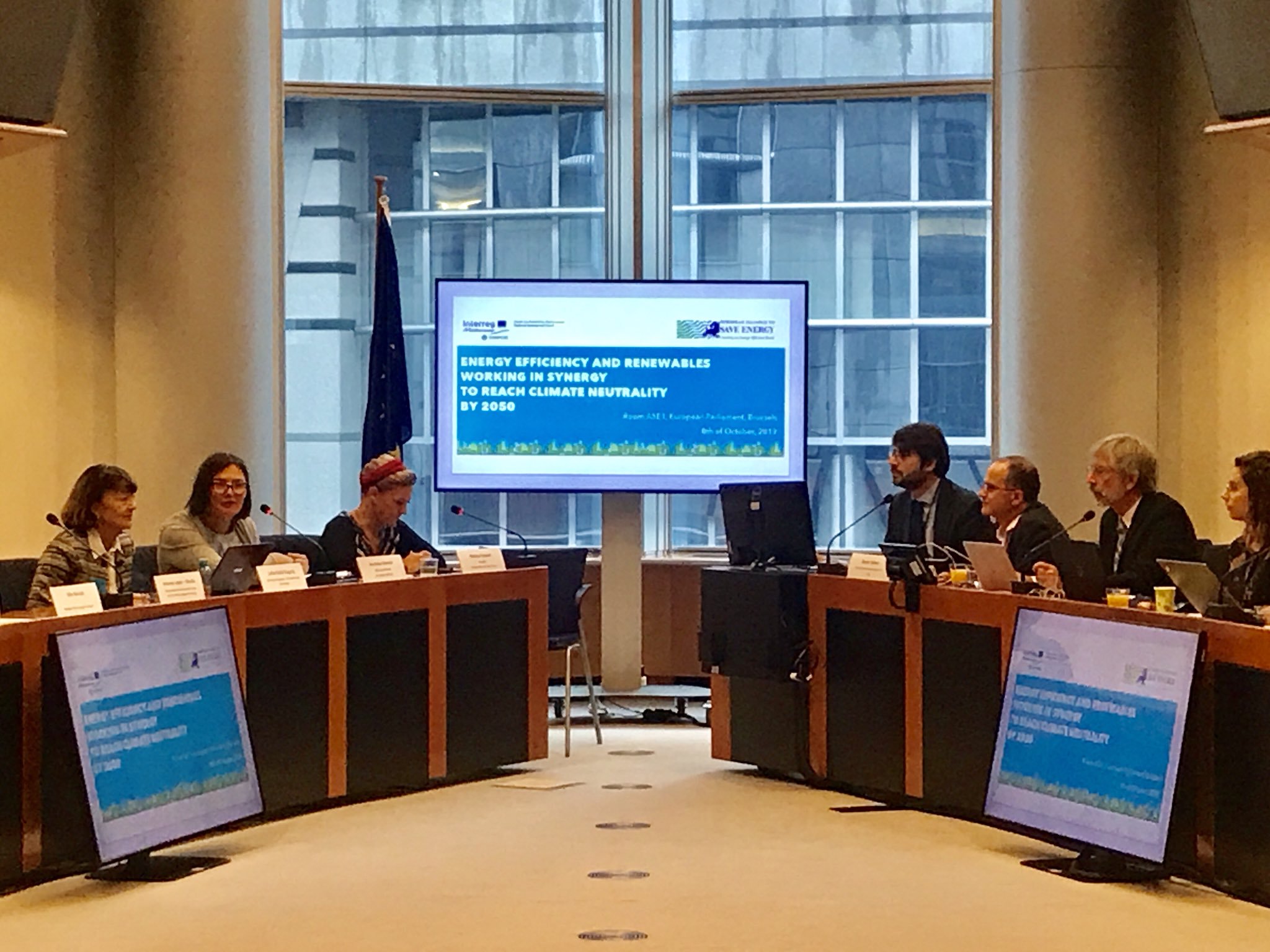
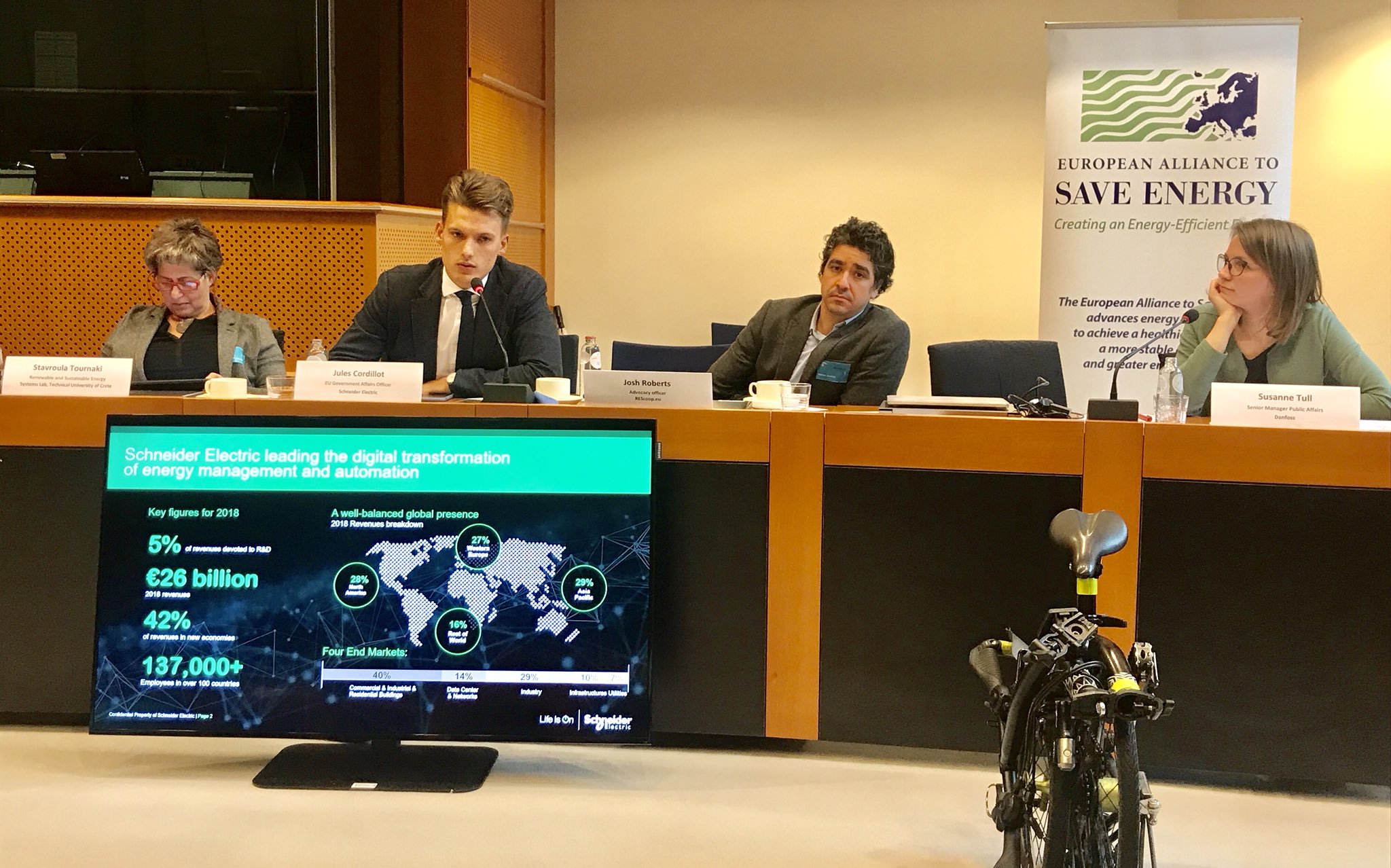
In this context and to provide inputs to policy and decision makers ahead of a new EU institutional cycle, the European Alliance to Save Energy and the partners of the Interreg MED EU co-funded project COMPOSE organised a policy debate to reflect upon the synergies between energy efficiency and renewable energy sources.
The policy debate was followed by presentations of concrete projects showcasing how combined and mutually reinforcing actions on energy efficiency and renewable energy sources impact on the EU long-term decarbonisation objectives.
The presentations given during the event can be downloaded from the following links:
Climate change. Where do we stand? Why should we care?
Lučka Kajfež Bogataj, University of Ljubljana – IPCC Nobel Peace Prize Winner
For a human, fair and desirable Energy Transition
Marie-Maud Gerard, Energy Project Manager, GERES,Group for the environment, renewable energy and solidarity
Sustainable Development & Respective Initiatives in Rethymno Municipality
Theopisti Birliraki, Municipal Councilor of Tourism, Municipality of Rethymno
Energy Transition: from global necessity to local opportunity. The COMPOSE model and decision support toolbox
Stavroula Tournaki, Renewable and Sustainable Energy Systems Lab, Technical University of Crete
Energy communities: empowering citizen ownership of renewable and energy efficiency projects
Josh Roberts, Advocacy officer, REScoop.eu
Highly insulated buildings as an indispensable element for smart cities, grid balancing and potential storage for renewable sources of energy
Lorenzo Pagliano, Professor, Director of end-use Efficiency Research Group (eERG), Politecnico of Milan
Smart building infrastructure enables synergy between renewables & efficiency: an example from the greenest shopping center in Europe
Elisa Gastaldi, Senior Director EU Affairs, Siemens
Project Zero: how Sønderborg will go C02 neutral by 2029 through energy efficiency, renewables and the transformation to a smart energy system
Susanne Tull, Senior Manager Public Affairs, Danfoss
Smart microgrids and smart building automation systems working hand for enhanced EE & RES integration – the example of Finland’s Largest Industrial Microgrid
Jules Cordillot, EU Government Affairs Officer, Schneider Electric