Energy efficiency is at the heart the EU energy and climate framework for 2030 and EU regional policy 2014-2020
The European Commission and EU Member States must propose a post 2020 energy-and-climate strategy and plan the use of resources that the EU will make available through its multi-annual regional and cohesion policy.
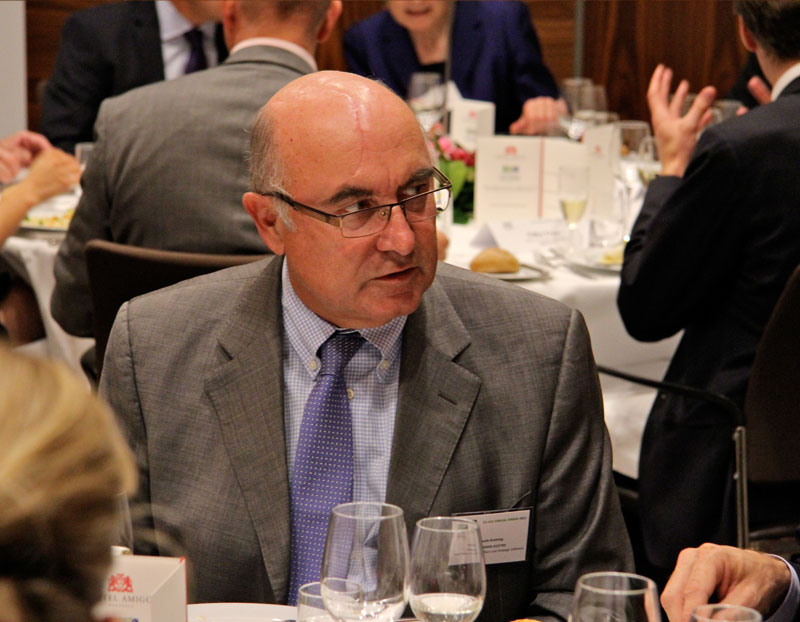
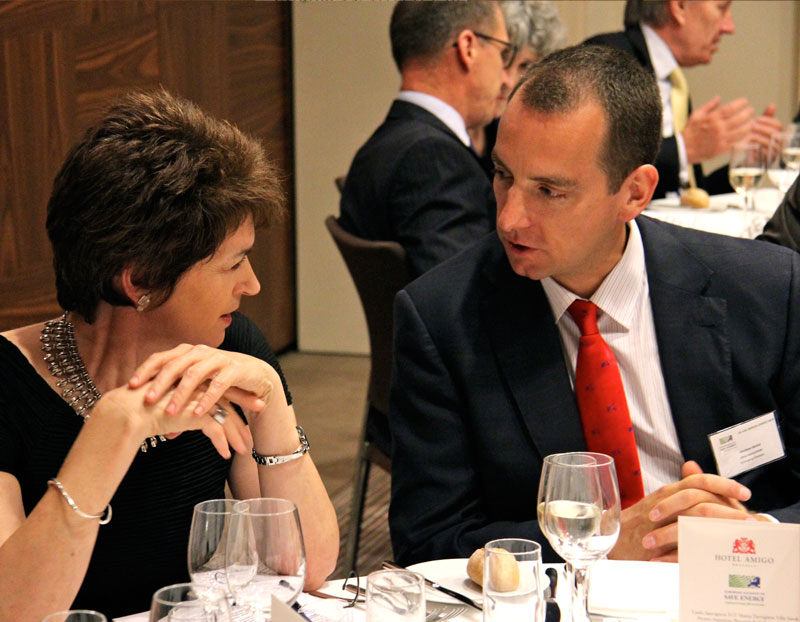
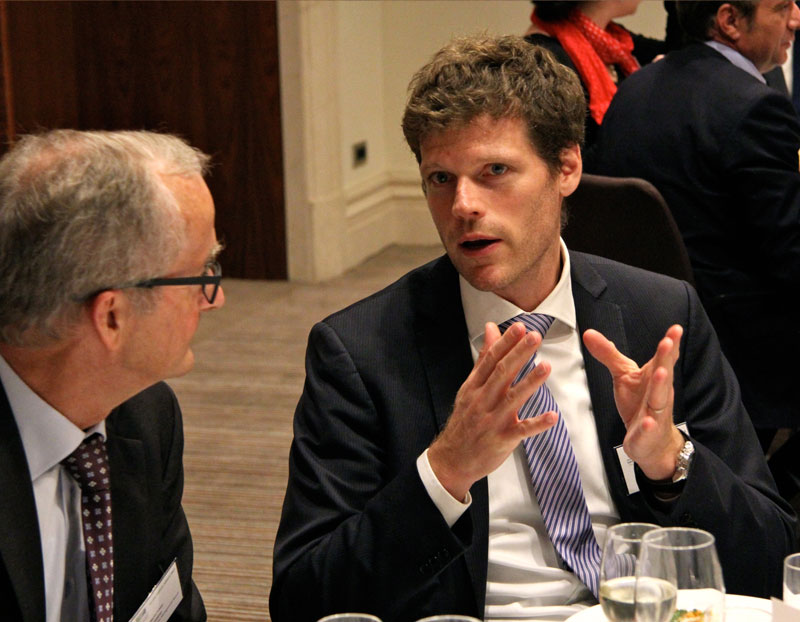
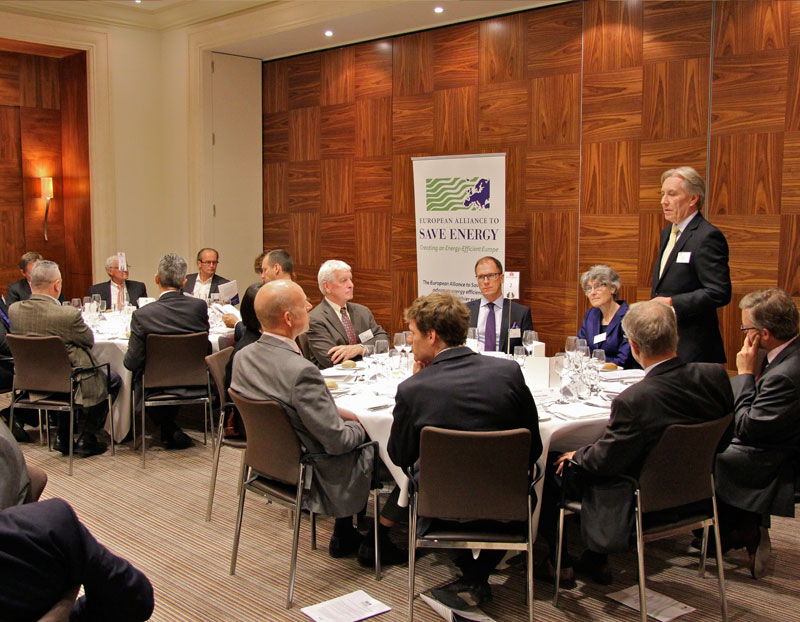
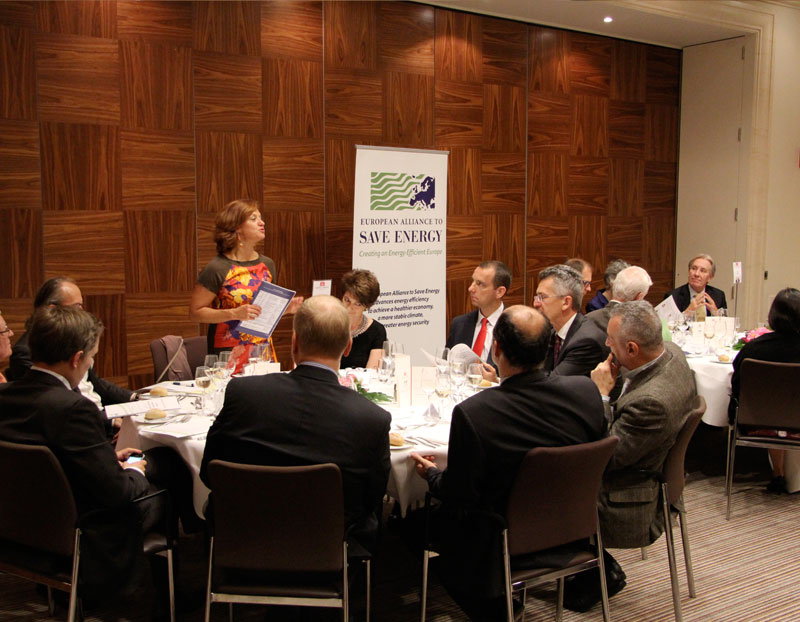
On 23 September 2013, a large contingent of European companies gathered for the Fourth Annual High-level Dinner Debate, organized by the European Alliance to Save Energy. Over the next period, the European Commission and EU Member States have two very important tasks ahead:
- To propose a post-2020 energy-and-climate strategy and to
- To plan the use of resources the EU will make available through its multi-annual regional and cohesion policy
In this context, the progressive business community has an important role to play to ensure policy makers fully understand the potential of energy efficiency and embrace a long term vision for an energy efficient economy.The dinner debate was an opportunity to gather senior business representatives with high-level European decision-makers to:
- Share views about the need to have a European binding energy savings target for 2030
- Highlight where improvements in planning and expenditure of EU resources are required for the period 2014-2020
Together with some of the participants to the dinner and other business leaders, EU-ASE reiterated the call for an EU binding energy savings target for 2030 in a letter addressed to the Competitiveness Council, the European Parliament and European Commission. The text, issued on 11 October, is also available on this page.